Prevention

wildfires horses, evacuating horses wildfires, horses injured fires

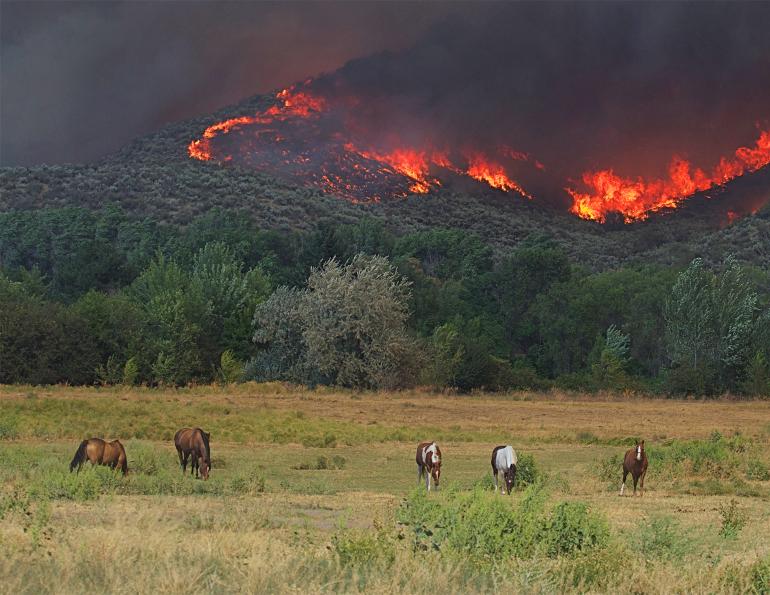
Worsening wildfires in recent seasons have left horses and people breathing polluted air filled with smoke and microscopic debris. These fine particles can settle in the lungs and airways, triggering irritation such as watery eyes, nasal drainage, and respiratory infections like bronchitis. They can also worsen pre-existing conditions like asthma, emphysema, congestive heart failure, and other lung or heart issues.

how much iron horse, shelagh niblock, iron overload equine, iron supplements horses

Equestrians who pay close attention to their horse’s feeding program may have noticed a growing conversation around iron levels in equine diets. Concerns about “iron overload” are easy to uncover online, often linked to buzzwords like “oxidative stress” and “free radical damage.” Many blogs and nutrition forums point to high iron intake as a factor in various equine health concerns—from metabolic challenges and poor immune function to weak hooves, dull coats, and growth issues in foals. Numerous websites offer advice, and many promote supplements or detox products claiming to address excess iron. But what exactly is iron overload in horses, and is it something the average horse owner should be concerned about?

proprioception for horse riders, understanding equine proprioception, proprioceptive senses of horses, preventing horse rider injury by improving proprioceptive awareness, Alexa Linton, equine sports therapy

When you think about injury prevention, tendon strengthening, joint lubricating, and health supporting interventions for your horses, do you also consider improving their proprioception? Supporting this often-overlooked aspect of function can be a game-changer for our horses.

Russell J. Floyd, what is pedal osteitis in horses?, understanding equine pedal osteitis, how common is pedal osteitis in horses?, is pedal osteitis uncommon in horses?, equine pedal bone, how to relieve pedal osteitis pain, clinical signs of pedal osteitis in horses,

Over the past few years of shoeing rodeo horses with heavy competition and training schedules, I have noticed patterns emerge. Commonly, roping and barrel horses spend a decent amount of time barefoot during the off-season, and are put back to work for several weeks before being shod. These generally small and flat-footed horses can end up lame.

horse overheated, dr. wendy pearson university of gueph, heat stress horses, electrolytes horses, over exercise horses, water needs of horses

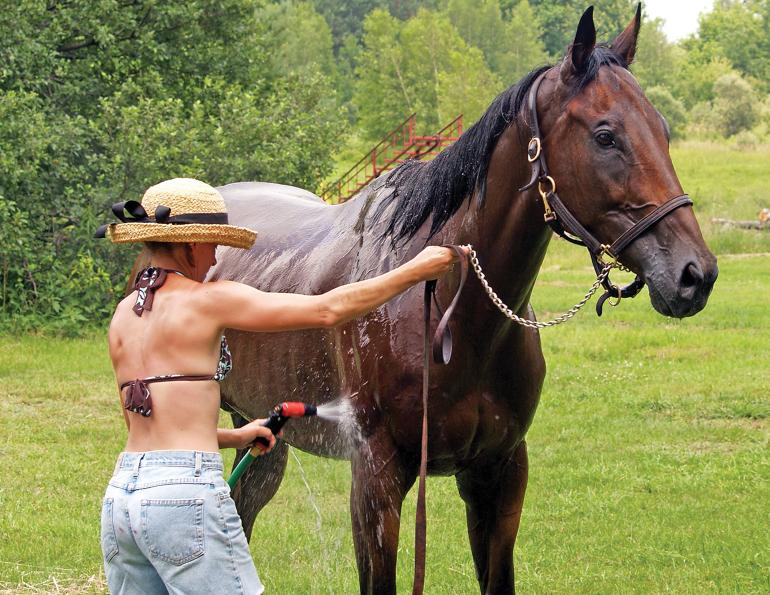
Is it hot enough for you? If you feel suppressed by repeated days of hot and humid weather, you can be sure that your horse feels worse.

crystalline sillica riding stable, dangers of riding arena dust, health hazards riding arena dust

Those who primarily work in riding arenas or round pens with sand footing, such as equestrian riding coaches, riding instructors, and horse trainers, are at an higher risk of respiratory issues.

biosecurity on the horse farm, interprovincial equine event strategies, what is biosecurity?, biosecurity strategies for equine events, how to keep your equine event safe from biosecurity, outbreaks, keeping equids safe at equine events, Maxwell H. Gluck

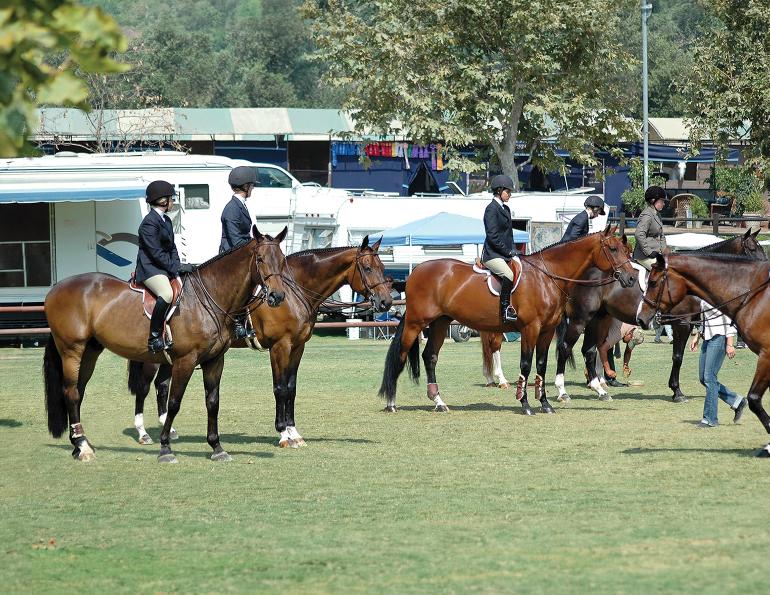
“Event Cancelled. Quarantine in Effect.” No equine event manager or exhibitor wants to hear these words. However, the growing number of equestrian events, increased interprovincial and international equine movement, and the rising concentration of horses at individual events have all heightened the risk of infectious disease outbreaks and transmission.

hazards horse farm, hazards equine farm, emergency plan horse farm, prevent barn firehazards horse farm, hazards equine farm, emergency plan horse farm, prevent barn fire, prevent horse injury

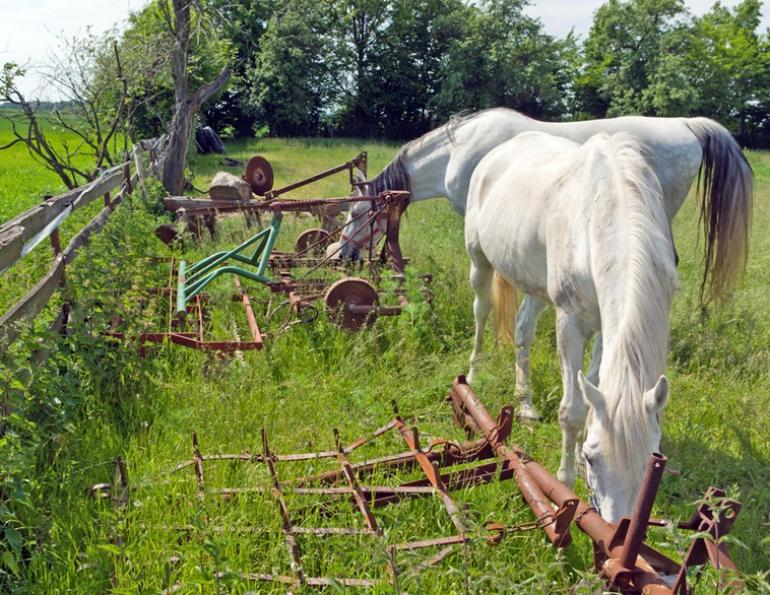
It often feels like horses are magnets for mishaps. Their injury-prone tendencies can be chalked up to natural instincts—such as their strong flight response, social dynamics within the herd, or simply their innate curiosity that leads them into trouble.

how to remove burrs from a horse's mane, burrs in horse's tail, first aid for burrs

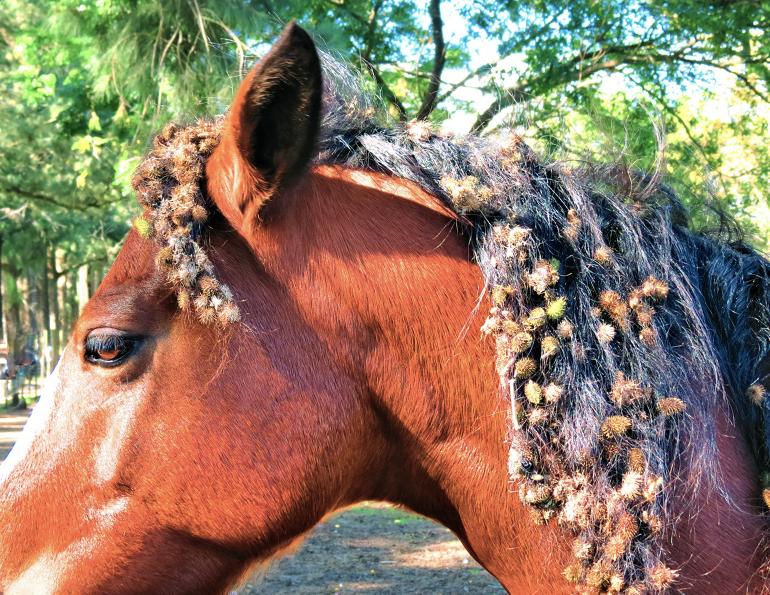
Win the Battle of the Burrs - Discovering your horse with a mane and tail full of burrs can be frustrating — but it’s more than a cosmetic concern. Burrs can cause real discomfort, inflame the skin, and even damage the hair roots. If your horse resists grooming, chances are those pesky burrs clusters are already causing pain by tightening up and pulling the hair every which way. Here’s how to handle the problem with care — and how to stop it from happening in the future.

managing resistant horse parasites, donna foulk, horse parasite control, Small strongyle larvae, horse manure, horse parasites, horse care, Parasite Control Program, horse deworming

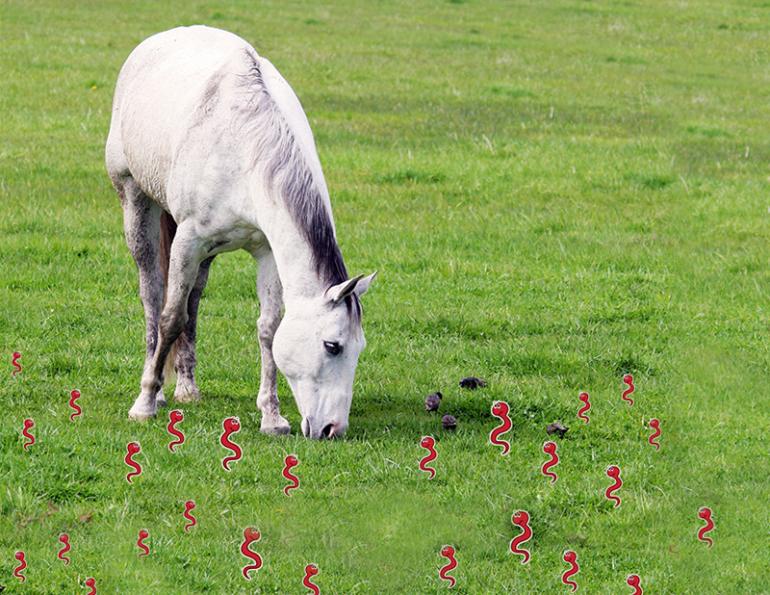
Parasite prevention remains a vital part of maintaining horse health—but gone are the days when you could rely on a routine deworming every eight weeks with the same product.

Pages