Hoof Care

treathing thrush horses, preventing thrush horses, symptoms of horse thrush, anatomy of horse hoof, equine guelph

Thrush is a prevalent hoof ailment in horses, typically resulting from a fungal infection that deteriorates the frog's tissue. This condition primarily develops in the sulci (grooves) on either side of the frog and in the central cleft. If neglected, thrush can spread to the deeper, more sensitive structures within the hoof, potentially leading to lameness.

horse health lines canadian horse journal, western college veterinary medicine newsletter, wcvm equine courses, universities for veterinarians equestrians

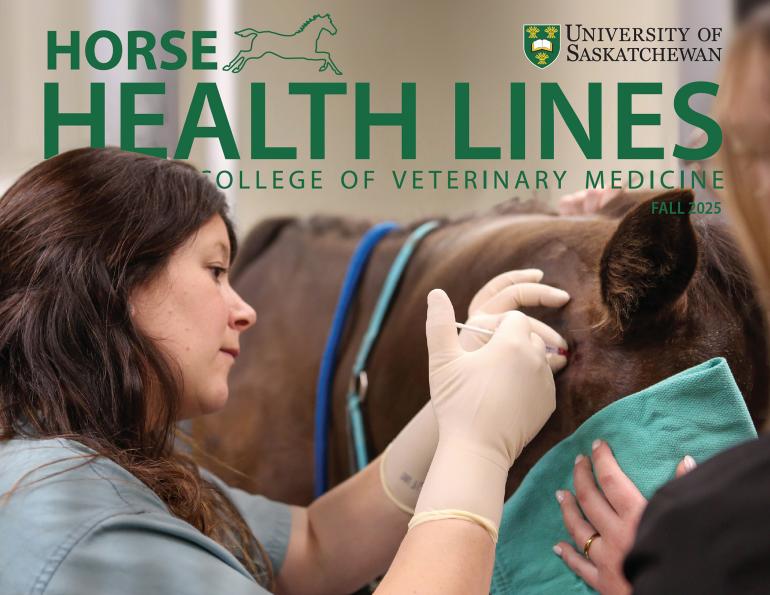
Take an inside look into the latest the scientific studies at the University of Saskatchewan's veterinary college, with the Western College of Veterinary Medicine's semi-annual newsletter: Horse Health Lines.

horse hoof health, improving hoof quality, brittle hooves in horses, horse nutrition for hooves, farrier care, hoof cracks and fissures, horse husbandry, preventing lameness, hoof growth support

The familiar saying “No Hoof, No Horse” remains a stark truth for owners managing ongoing hoof concerns. A 500-kilogram horse relies entirely on four relatively small structures to bear substantial bodyweight. When the added impact of athletic effort — such as galloping — is considered, each hoof may absorb forces approaching 3,000 pounds. Horses prone to cracks, splits, or brittle, flaky horn quality are often sidelined with lameness or repeatedly lose shoes, interrupting training and competition schedules. Anyone who has dealt with a horse that cannot retain its shoes understands just how discouraging compromised hoof integrity can be.

castle plastics hoof pads, snow hoof pads horses, coloured horse hoof pad, horse shoes, road hoof pads for horses

One day in the 1980s, Lindsey Serafini’s grandfather was watching his Standardbred horses getting shod.
“The farrier was shoeing with hoof pads and my grandfather said, ‘I could make those,’” says Serafini, who is a fifth-generation owner of Castle Plastics.

Farrier, Farriey, Ben Yager, American Farrier’s Association, equine trimming techniques, hoof-pastern alignment, farrier apprenticeship

For thousands of years, the horse has been our trusted companion, serving as a worker, athlete, and partner in everything from agriculture to competition. Whether they’re a trail riding companion, school horse, ranch worker, or elite competitor, one thing remains constant—the need for proper hoof care. Without it, a horse’s soundness, performance, and well-being are at risk.

farrier competition, farriers competing at competition, how to find a good farrier, certified farriers canada, farrier association, western canadian farriers assocaition, ontario farriers association, american farriers association

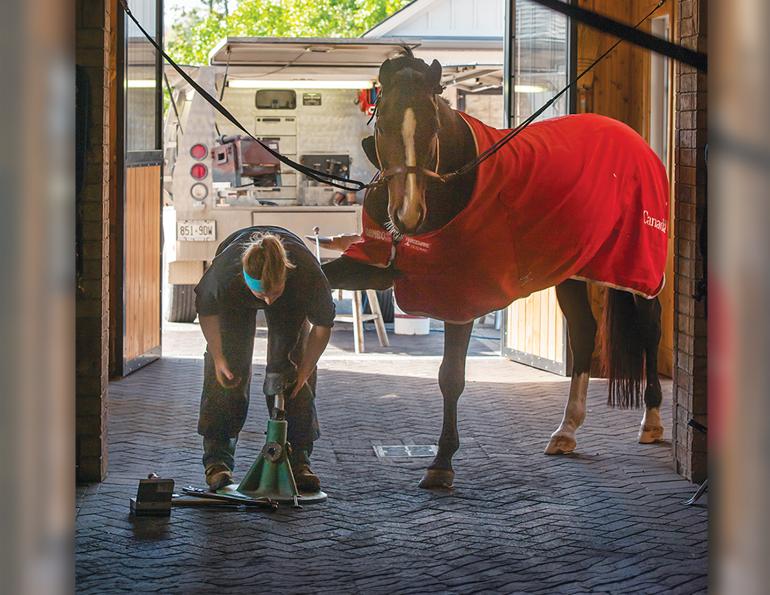
Most horse owners have found themselves in the position of needing a new farrier at some point in their life. Depending on where you live, finding a farrier can be a struggle, and keeping one coming back can be even harder. A decade working in the farrier industry has given me valuable insight into the problems that owners and farriers commonly face when trying to maintain a working relationship. I have put together a list of 10 quick tips to help owners form a great relationship with a professional farrier.

Dental health older horse, joint pain older horse, nutrition senior horse, gut health aging horse, ppid horses, cushing's disease horses, horse laminitis, ems equine metabolic syndrome, eye health old horse, exercising senior horse, signs horse is getting old

Like humans, horses are living longer than ever. Typically, older horses will live into their twenties and often into their thirties. It’s natural to worry about your horse’s health into the golden years. Studies report that 70 percent of horses aged 20 years or older have some type of health issue requiring modifications in management practices and veterinary care. Let’s examine the six key issues your older horse might face, and tips to help you keep your horse feeling comfortable during those senior years.

caring for older horses, senior horse care, should i deworm older horses, what age should i retire horse, sidewinder gait older horse, ppid senior horse, bute for horses, dental care horses

The average life expectancy of horses is around 20 years, but some survive into their 40s. Horses 20 years of age and older increasingly account for a larger percentage of the population, in part due to advances in veterinary care.

hoof care, barefoot horses, shod horses, American Association of Equine Practitioners, AAEP, equine athlete, fit horses, horse competition

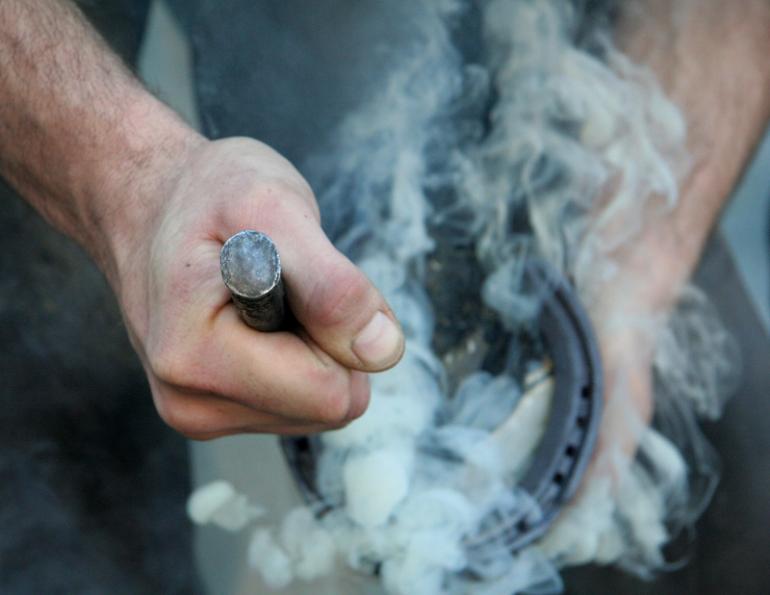
The debate over whether horses should be kept barefoot or shod continues to be a highly relevant topic in equine veterinary circles, including at multiple American Association of Equine Practitioners (AAEP) Annual Conventions. These discussions consistently spark valuable insights and raise critical questions within the horse care community. From the outset, I support maintaining horses barefoot when conditions allow, though the decision depends on numerous variables. In many cases—particularly with elite performance horses—going barefoot is not practical. Still, when horses are shod properly, it can be done in a biomechanically sound way that minimizes harm to the hoof capsule.

should my farrier and vet get along, farrier life, farrier hurt my horse, will clinging, western canadian farriers association, what's wrong with horse's hoof, career as farrier, training farrier, association of farrier trainers of canada, ontario farriers association, quebec farriers association, association of farrier trainers of canada, american farriers association, worshipful company of farriers, laws for farriers canada

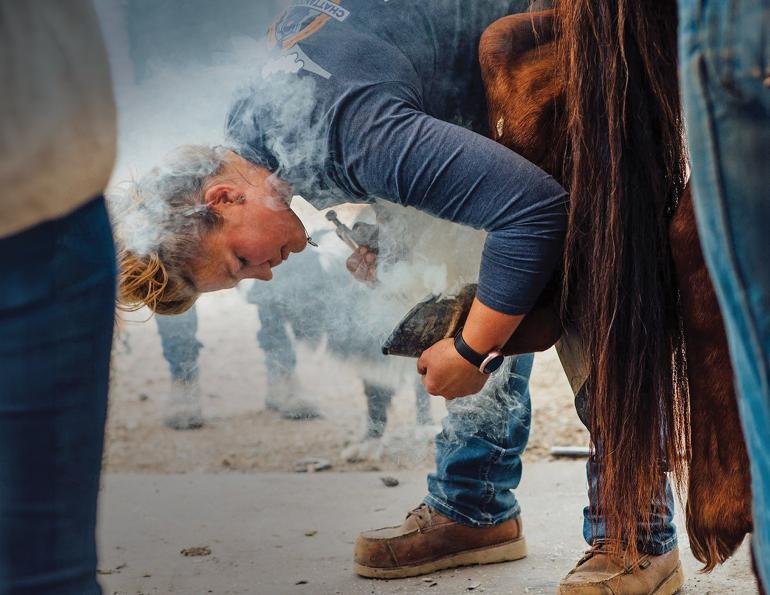
Understanding the Bigger Picture - “The farrier crippled that horse.” Over the past few months, I have heard this from at least two people complaining on behalf of a friend whose horse had gone lame. The farrier was implicated in both cases, and I was asked to consult on one of them. I am going to talk about several issues we farriers deal with all the time, and why it is highly unlikely that the farrier was responsible for the lameness.

Pages