Prevention

GROUNDWORK horses, exercises for horses, keeping a horse fit, jec ballou horse fitness, how to keep my horse healthy without riding, exercising a horse without riding

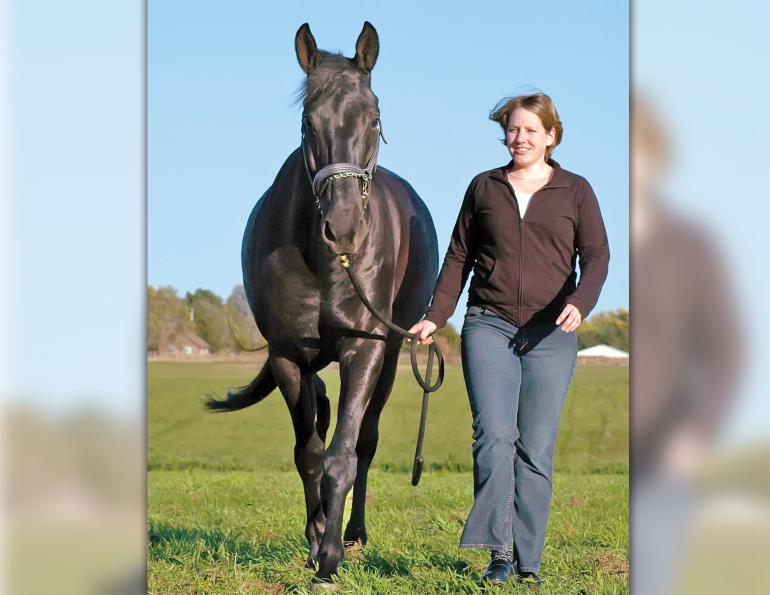
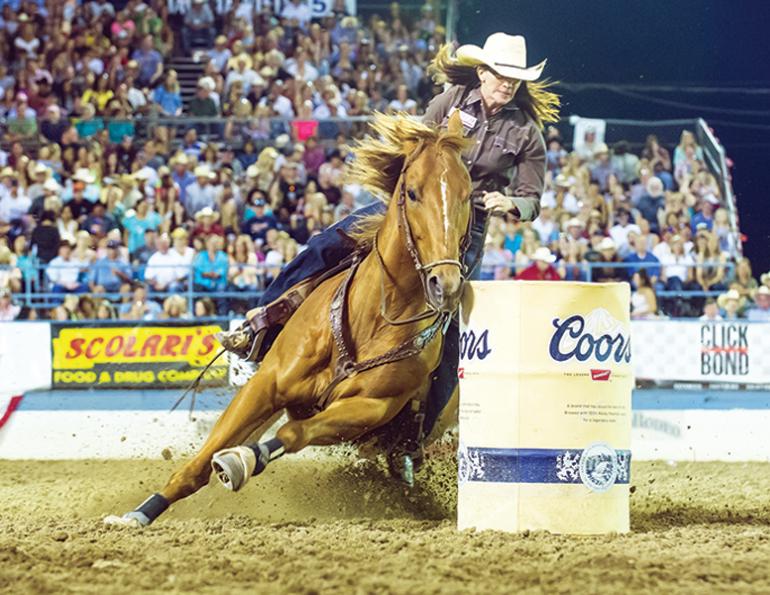
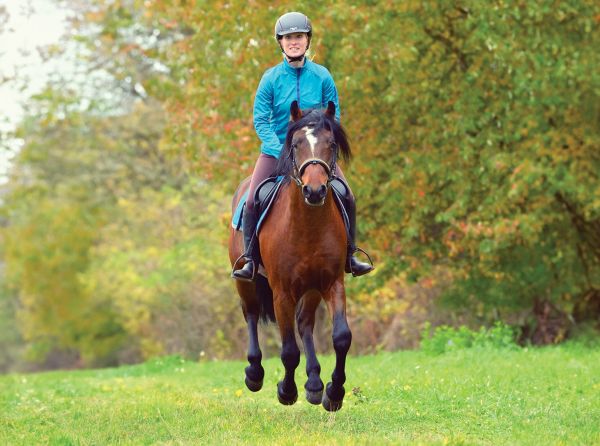
4 Key Principles - As the shorter, colder winter months settle in, brief but purposeful groundwork sessions become critical for a horse’s physiology. Granted, fitness-based groundwork will not keep a horse at peak performance level, but it will prevent total erosion of neuromuscular and metabolic fitness during times of abbreviated schedules.

Dust Management horse barns, purdue extension, breathing for horses, respiratory disease equine, roa, dust control horse barn, horse barn renovations, better ventilation horse stable

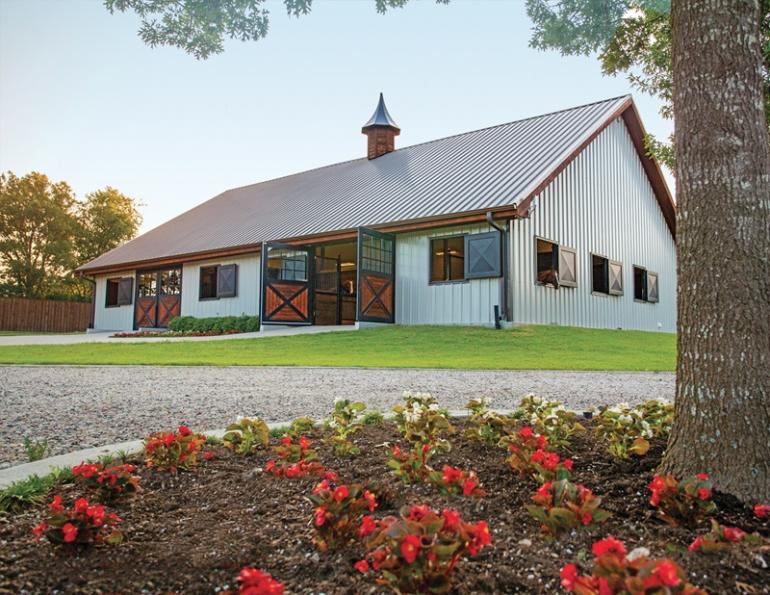
Horse owners may wonder if the air inside their barns poses any real risk—and if there’s anything that can be done after construction to make it better. The short answer: yes and yes.

caring for older horses, senior horse care, should i deworm older horses, what age should i retire horse, sidewinder gait older horse, ppid senior horse, bute for horses, dental care horses

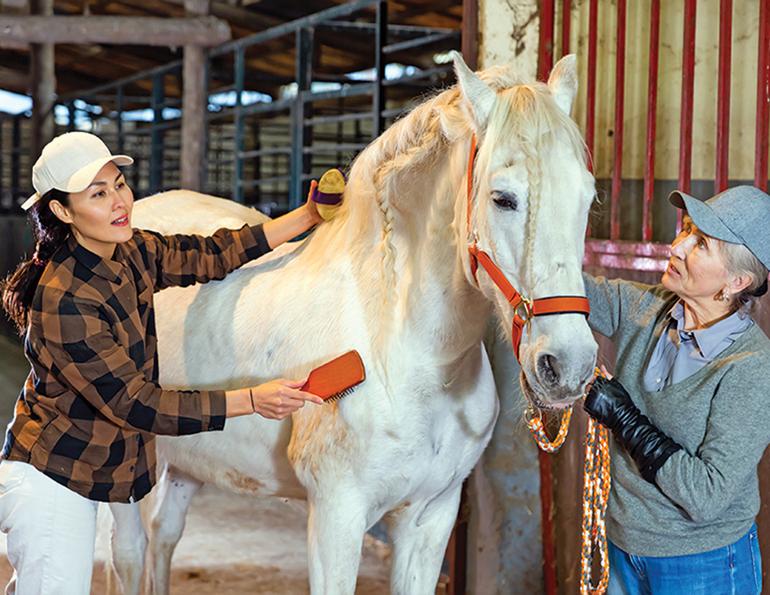
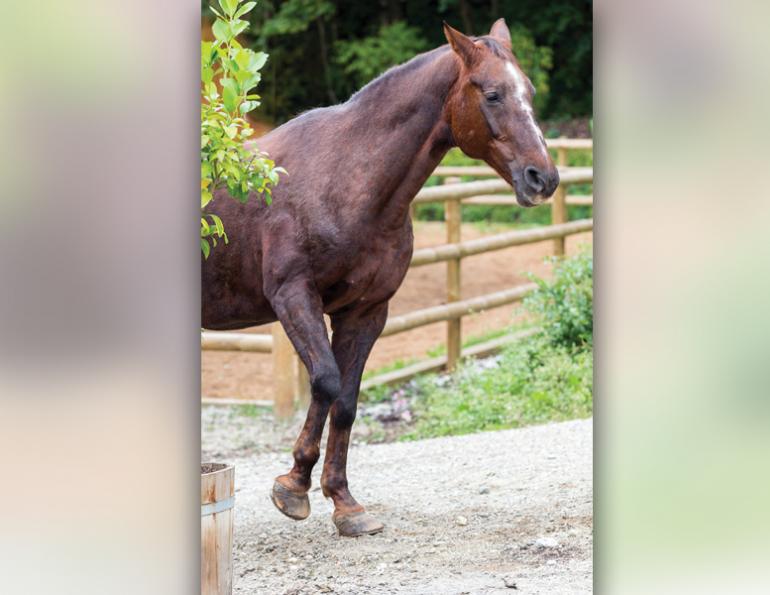
The average life expectancy of horses is around 20 years, but some survive into their 40s. Horses 20 years of age and older increasingly account for a larger percentage of the population, in part due to advances in veterinary care.

should my farrier and vet get along, farrier life, farrier hurt my horse, will clinging, western canadian farriers association, what's wrong with horse's hoof, career as farrier, training farrier, association of farrier trainers of canada, ontario farriers association, quebec farriers association, association of farrier trainers of canada, american farriers association, worshipful company of farriers, laws for farriers canada

Understanding the Bigger Picture - “The farrier crippled that horse.” Over the past few months, I have heard this from at least two people complaining on behalf of a friend whose horse had gone lame. The farrier was implicated in both cases, and I was asked to consult on one of them. I am going to talk about several issues we farriers deal with all the time, and why it is highly unlikely that the farrier was responsible for the lameness.

toxic plants, toxic trees, toxic horse, horse toxic, horse poison, equine poison

Fall is here! The leaves are changing and the temperatures are cooling off. It’s hard to imagine that such a pretty time of year could possibly be harmful to our horses. However, fall leaves can pose a potentially deadly threat. The following are trees that are highly toxic to horses.

rain rot horses, rain scald horses, horse bald patches, scabs on horse

During periods of heavy rainfall, many horse owners may notice the emergence of rain rot in their horses. This skin condition can be frustrating, but with proper care, it is often manageable.

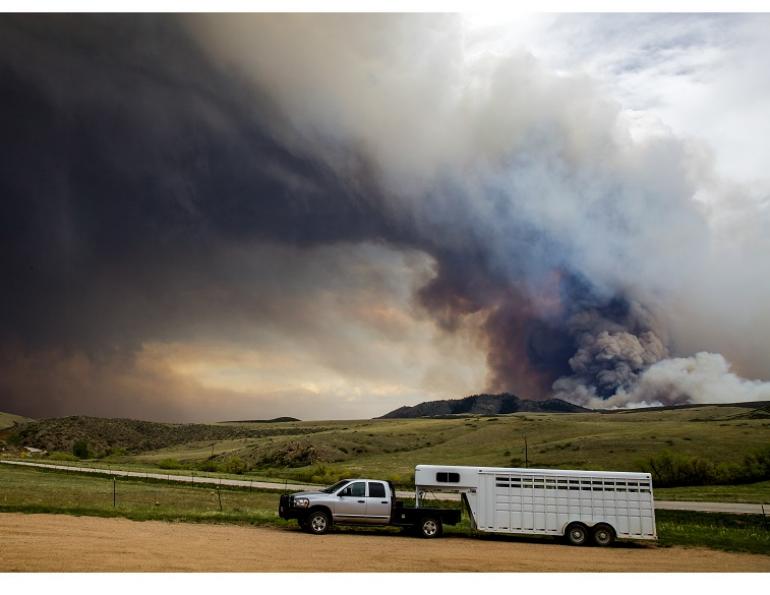
equine emergency preparedness, horses stuck flooding, preventing barn fire, emergency services horses, help for horses disaster, kevan garecki, bc flooding horses

While one can’t plan for every form of disaster, it’s important to familiarize yourself with any potential risks that could occur in your area and plan for them accordingly. Planning ahead can allow horse owners the opportunity to stay composed and act quickly in an emergency situation.

osteoarthritis in horses, equine osteoarthris, equine oa, joint inflammation horses, symptoms arthritis horses, equine lameness, uc davis center of equine health

How to recognize, treat, and prevent this irreversible joint disease. Osteoarthritis (OA) in horses, formerly known as degenerative joint disease, is the most common joint problem in horses, accounting for more than 60 percent of equine lameness. The term “arthritis” refers to joint inflammation, and there are many types and causes in horses.

laminitis hooves, laminitis cleft coronary band, dished hoof laminitis, symptoms laminitis horses, laminitis horse stance, uc davis center for equine health

Is your horse at risk? Laminitis is damage and inflammation of the tissue between the hoof and the underlying coffin bone (distal phalanx, P3). This tissue, the laminae (also called lamellae), is actually folded layers of tissue contacting the surface of the bone on one side and the inside of the hoof wall on the other, connecting the two. Depending on how severely these attachments are weakened, the outcome can range from mild foot soreness to separation of the coffin bone and hoof (founder). The front hooves, which bear the majority of the horse’s weight, are most commonly affected, but it can also occur in the hind hooves.
Hoof wall separation disease (HWSD) Connemara ponies, hoof care for ponies, Connemara pony breeders society (cpbs), genetic testing Connemara ponies

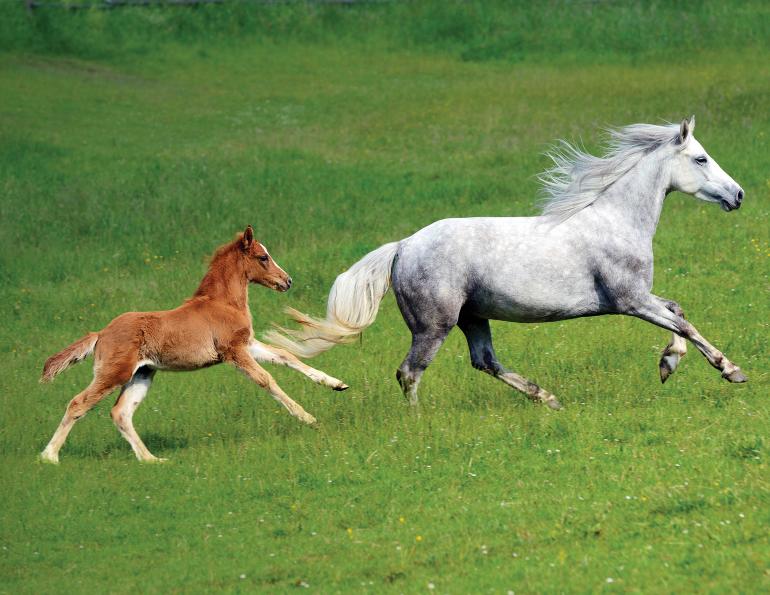
Hoof wall separation disease (HWSD) is an inherited disease in some Connemara ponies characterized by separation and cracking of the outer hoof wall. This can lead to ponies having to support their weight on the sole of the hoof instead of the hoof wall, which, in some cases, can result in chronic inflammation, severe lameness, and laminitis. Affected ponies typically show clinical signs within the first six months of life.

Pages