Prevention

Silver Honey for horses, MicroSilver BG horses, manuka honey horses, equine skin care, mud fever horses, pastern dermatitis care, horse wound care products, Absorbine Silver Honey

Horse people know that healthy skin is a cornerstone of comfort and performance. From small nicks to irritation around the pasterns in wet seasons, our goal is always the same: protect the skin barrier while keeping the environment calm, clean, and comfortable. Silver Honey® products bring together two nature-derived powerhouses, MicroSilver BG® and Mānuka Honey, to do exactly that. Below is a practical look at what each ingredient is, how it works, and why that matters.

horse colic, what is equine colic, equine digestive tract, preventing horse colic, treating horse colic, how much water horse, how much exercise horse, what should a horse eat, colic risk rater, equine guelph

If there’s one word that strikes fear into the hearts and minds of horse owners, it’s “colic.” Used to describe any form of abdominal pain, colic can affect horses for many reasons and in any season, although cold weather months are a particularly challenging time with increased risk of impaction-related colic.

strangles, symptoms of strangles, strangles outbreak, treatment strangles, how to prevent strangles, signs of strangles, steps to contain strangles, s. equi infection

How to reduce the risk, recognize the symptoms, and take steps to manage an outbreak. Strangles is a highly contagious infection caused by the bacterium, Streptococcus equi (S. equi). It is not an airborne virus. Rather, the bacteria spreads through contact, which could be direct nose-to-nose between horses, or via contaminated surfaces or equipment such as shared halters, lead shanks, cross-ties, feed tubs, stall walls, fencing, clothing, hands, the hair coat from other barn pets, grooming tools, water buckets, and communal troughs.

how to vaccinate horse, spring equine vaccinations, why vaccinate horse, equine dentists, why do horses need dental care, equine dentist visit, parasite control horse, deworming my horse, euqine soundness evaluation, spring vet visit horse, how to care for my broodmare, equine reproductive examp, dr. lauren macleod delta bc

For a horse owner, there are few sights more welcome than the first signs of spring. As the snow melts away and the pastures begin to turn green, horse owners are glad to see the end of short days, frozen water buckets, and woolly coats. Springtime means longer, warmer days to spend working in the arena or hitting the trails. The season is also an ideal time to catch up on your horse’s healthcare needs.

treathing thrush horses, preventing thrush horses, symptoms of horse thrush, anatomy of horse hoof, equine guelph

Thrush is a prevalent hoof ailment in horses, typically resulting from a fungal infection that deteriorates the frog's tissue. This condition primarily develops in the sulci (grooves) on either side of the frog and in the central cleft. If neglected, thrush can spread to the deeper, more sensitive structures within the hoof, potentially leading to lameness.

spring horse health check, seasonal horse care, post winter horse management, equine spring transition, horse veterinary check up, preparing horses for riding season, spring turnout management, horse conditioning after winter, Canadian horse care, equine health assessment

As the grip of winter begins to fade, anticipation builds for longer rides and a return to regular activity. While Canadians are well known for embracing snow and sub-zero temperatures, most horse owners are more than ready to welcome milder days and the renewed energy that spring brings.

horse health lines canadian horse journal, western college veterinary medicine newsletter, wcvm equine courses, universities for veterinarians equestrians

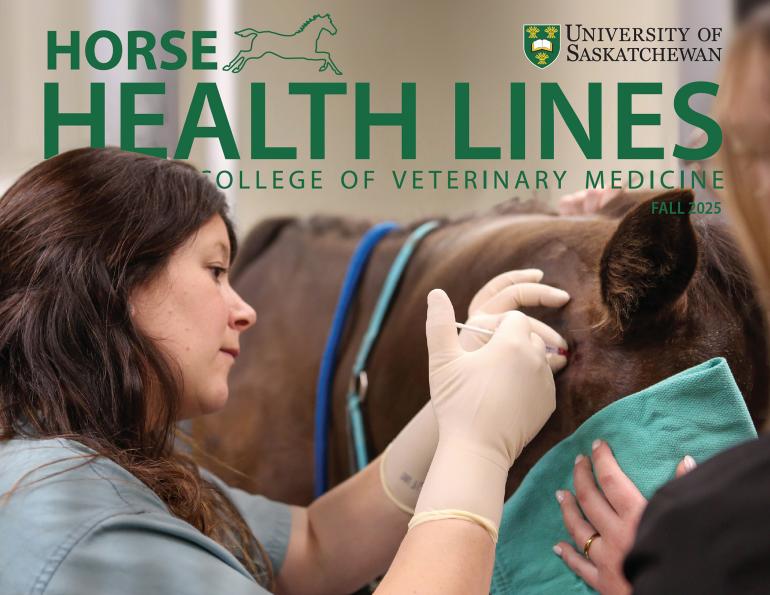
Take an inside look into the latest the scientific studies at the University of Saskatchewan's veterinary college, with the Western College of Veterinary Medicine's semi-annual newsletter: Horse Health Lines.

breeding horses, should i breed my mare, how to breed mare, how to find stallion, tania millen, merrington warmbloods lisa longtin, cwhba fall classic,

As winter subsides and a new season approaches, mare owners eagerly anticipate selecting the perfect stallion. However, before making breeding decisions, several crucial factors must be considered to ensure a successful and responsible outcome.

AAEP parasite control guidelines, equine parasites, fecal egg count, targeted deworming, anthelmintic resistance, horse deworming practices, equine health management, parasite control horses

The American Association of Equine Practitioners (AAEP) has recently issued revised Internal Parasite Control Guidelines to help minimise the risk of parasitic disease and maintain the effectiveness of current drugs for as long as possible by delaying further development of anthelmintic resistance.

horse respiration, equine fitness, breathing rate horses, conditioning horses, horse heart rate, equine biomechanics, horse training and fitness, respiratory rate exercise

When a rider feels a horse breathing hard under saddle, it is common to make an immediate judgement about that horse’s level of fitness. However, respiration can be an unreliable indicator when viewed in isolation. Elevated breathing rates may reflect far more than conditioning alone, offering insight into a horse’s emotional state, muscle tension, or even its innate athletic ability. While respiratory patterns always provide valuable information, the real challenge lies in interpreting what they truly signify.

Pages