Prevention

HORSE FARM RATs, keeping rats out of horse stall, rats in equestrian centre, rat control horse barn, proper food storage horse barn, signs of rats, diseases from rats to horses

While horses are the heart of any stable, there’s a hidden menace that can undermine their health, safety, and even the structural integrity of the facilities: rats. These unwelcome intruders pose serious risks to equine operations by spreading disease, destroying property, and contaminating food and bedding. Understanding the threat and implementing robust prevention and control strategies is essential for protecting both animals and infrastructure.

how to prevent a horse dehydration, equine guelph, riding horses in heat, summer horseback riding

As horses exercise, their core body temperature climbs. To prevent overheating, the body relies heavily on sweat evaporation to cool down. Sweating is essential during physical activity, but it leads to the loss of both water and vital electrolytes. These include sodium, chloride, potassium, calcium, and magnesium—key minerals that support nerve function, hydration, and muscle activity. Without proper replenishment, electrolyte depletion can impair performance and compromise your horse’s well-being. Supporting your horse’s recovery means restoring both water and electrolyte levels in appropriate proportions.

toxic plants to horses, toxic weeds to horses, equine laminitus, andrea lawseth, poisonous horse plants, Andrea Lawseth, field horsetail toxic horse, Water hemlock toxic horse, Stork’s bill toxic horse, Johnsongrass toxic horse, pyrrolizidine alkaloids toxic horse. Poisonous plants horses, equine laminitis

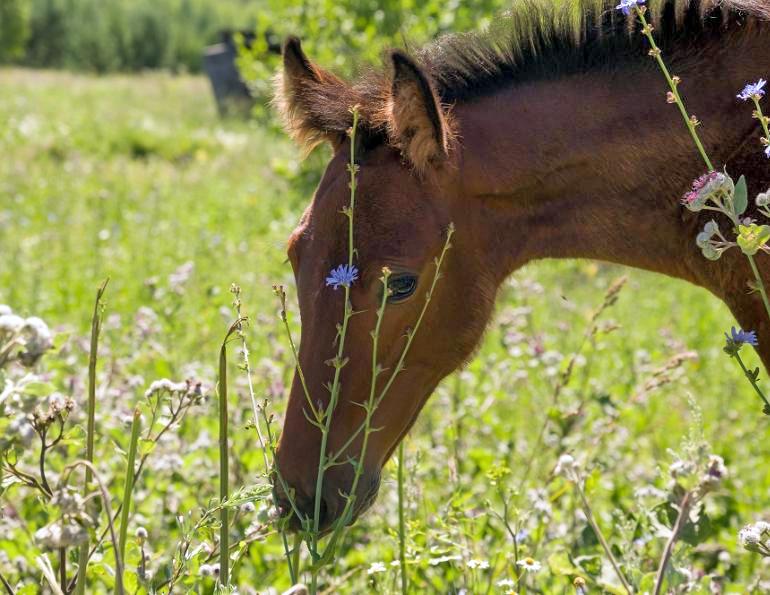
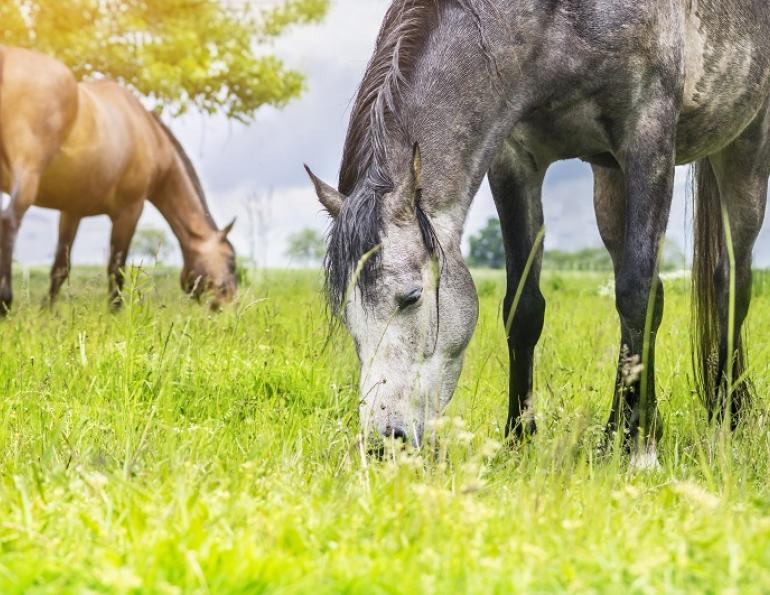
"My horse is smart enough not to eat toxic plants" - This is a comment I often hear during property visits focused on responsible manure and pasture practices. While it’s true that horses generally avoid undesirable or toxic plants when there’s ample healthy forage available, issues tend to surface when pastures are overgrazed and food choices become limited. That’s when horses may resort to eating weeds or harmful plants. It’s essential for horse owners to recognize which plants pose a threat and to understand how to control their presence in grazing areas.

wildfire smoke horses, protect horse smoke inhalation, how to tell if wildfire smoke dangers horses, smoke on a horse farm, air quality index

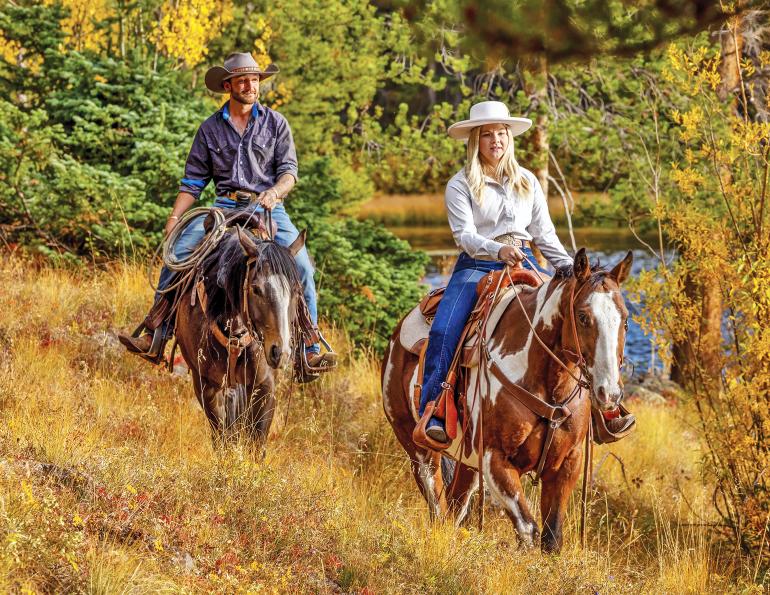
Canadian equestrians breathe a sigh of relief when long-awaited spring weather finally arrives and the outdoor riding season begins in earnest. Time to fit up our horses and ourselves for trails, competitions, and the pleasure of spending time outdoors, finally free of the layers of winter gear and horse hair that come with the chillier seasons…

how to remove ticks, tick removal horses, preventing tick bits horses, best bug sprays horses, areas to avoid ticks canada, what do ticks look like on horse, grooming horse tick

Not much can gross out a horse person. We happily pick out hoofs, observe the quality of manure, scrape bot eggs off our horses’ legs, and get a weird sense of satisfaction from an expressed abscess. But ticks… ticks are just nasty.

equine organic, natural equine, horse organic feed, should i feed my horse natural foods, shelagh niblock, horse evolution

Is ‘natural’ just a label in equine care? In today’s equine industry, the terms natural and organic are commonly used. While "organic" is a regulated label in equine product development and marketing, "natural" is not subject to the same standards. Horse owners must exercise greater caution when selecting "natural" products, as the term can be misleading.

equine enteroliths, pebbles in manure, horse manure stones, colic causes horses, should i feed alfalfa to my horse?

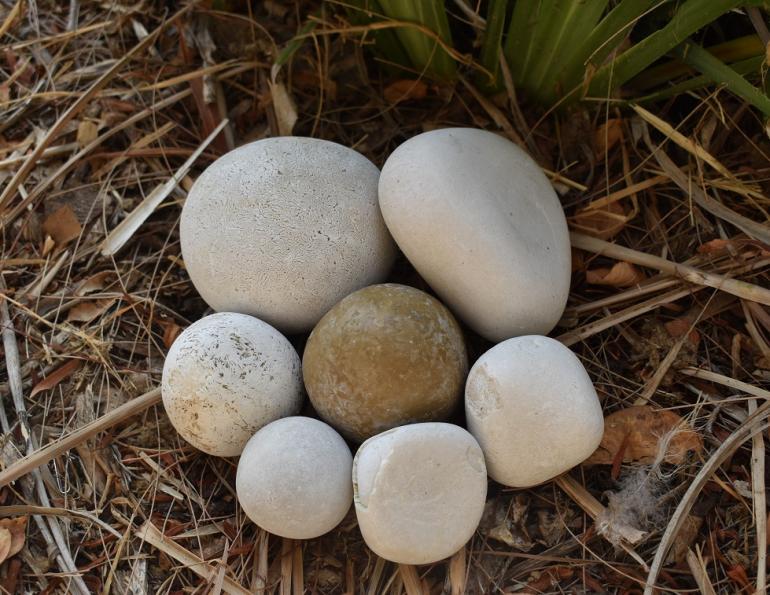
Common in certain horse populations, enteroliths are mineral-based stones that gradually form in the large colon over several years. Composed primarily of struvite (magnesium ammonium phosphate), these stones develop around a central foreign object—such as a pebble, hair, baling twine, metal, or rubber—and often take on round, triangular, or flat shapes. Although they may remain undetected for long periods, enteroliths can shift and obstruct the intestinal tract, leading to episodes of colic in horses.

therapeutic horseshoeing, healthy hooves horses, therapeutic shoeing, dr steve chiasson, roller motion horse shoe, suspensory horse shoe

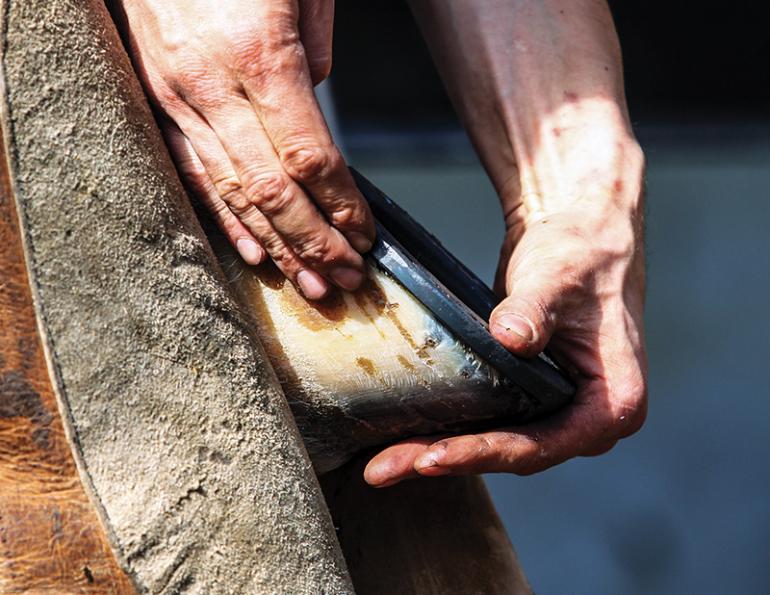
For many horse owners, visits from the farrier occur every six weeks and typically involve routine trimming or standard horseshoeing. When a horse remains consistently sound and performs well, regular farriery by an experienced professional is usually sufficient for optimal hoof health. However, when soundness problems or decreased performance arise, more specialized farriery approaches may be needed to restore comfort and function.

katy white dvm, burwash equine services, equine osteoarthritis, burwash equine services, oa in horses, treating arthritis horses, when horse ultrasound, preventing arthritis horses, injections horse arthritis

Osteoarthritis is one of the leading causes of lameness in horses, affecting their soundness, mobility, and performance longevity. Studies suggest that osteoarthritis is responsible for nearly 60% of equine lameness cases, making it a significant concern for horse owners, trainers, and veterinarians alike.

climate change horse industry, prepare horse farm for climate change, heat dome horses, rescuing horses disaster, hay shortages, colic horses

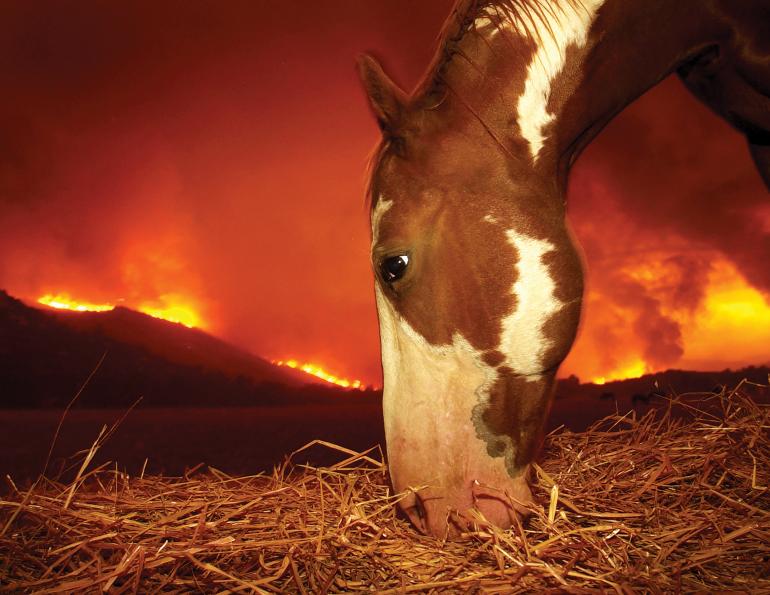
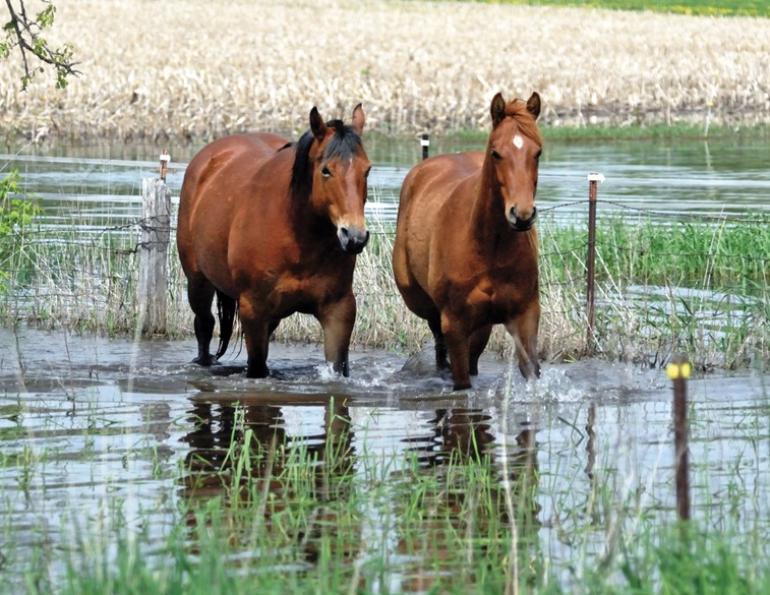
Climate change is increasingly affecting horses, horse properties, and their owners across Canada. In recent surveys, nearly 90 percent of Canadians reported noticing the impacts of climate change in their communities. Horses are facing rising health risks, including respiratory diseases from wildfire smoke and dust, skin conditions and hoof damage caused by unpredictable weather, and new parasites and diseases. Horse owners are also dealing with higher hay costs, unexpected veterinary expenses, and challenges related to weather disruptions, such as riding limitations. Meanwhile, owners of horse properties are working to repair damage from severe storms, flooding, droughts, and high winds.
Pages