

Equine Enteroliths: Causes, Risk Factors, and Impacts on Horse Health
Updated:
May 23, 2025Source: UC Davis Center for Equine Health
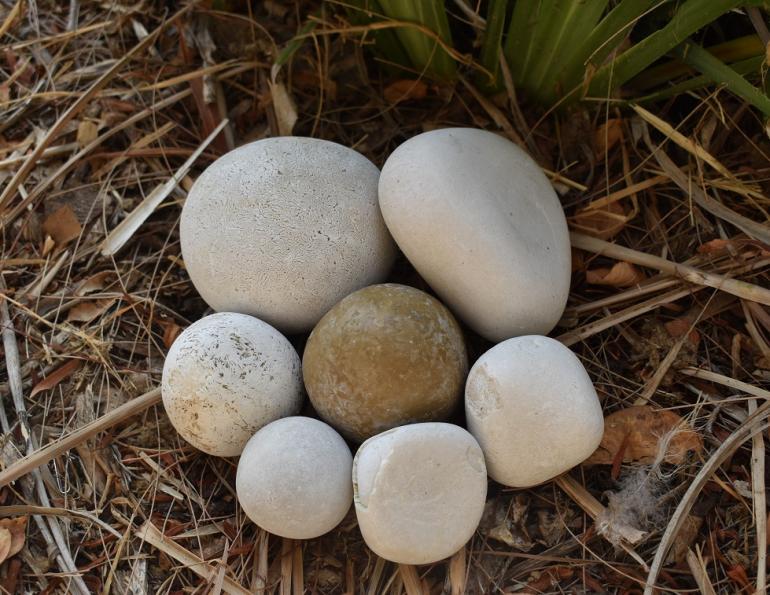
Common in certain horse populations, enteroliths are mineral-based stones that gradually form in the large colon over several years. Composed primarily of struvite (magnesium ammonium phosphate), these stones develop around a central foreign object—such as a pebble, hair, baling twine, metal, or rubber—and often take on round, triangular, or flat shapes. Although they may remain undetected for long periods, enteroliths can shift and obstruct the intestinal tract, leading to episodes of colic in horses.
Diet is a major contributing factor, particularly feeds rich in magnesium and protein, such as those containing large amounts of alfalfa. Additional risk factors include individual breed predispositions, digestive pH levels, intestinal motility, and mineral concentrations within the gut. Horses may develop a wide range of stone sizes—from a few large ones to hundreds of small enteroliths. Why some horses produce numerous stones and others just one or two remains unclear. While small stones may pass through the digestive system harmlessly in manure, larger stones can cause serious intestinal blockages. In many cases, horses live with substantial enteroliths for years without displaying symptoms.
Though enterolithiasis has been reported around the world, it appears most prevalent in specific regions like California and Florida. It affects horses of all breeds, but Arabians, Arabian crosses, Morgans, and American Saddlebreds are seen more frequently with the condition. There is no noted difference in occurrence between sexes, and horses younger than two years old are rarely affected.
What are the clinical signs of enteroliths?
Clinical signs vary depending on the size and number of enteroliths and the part of the bowel where they are located. Horses with a single large enterolith in the large colon may have a history of chronic, intermittent colic. Horses with smaller-size stones that can move and lodge within the small colon will have signs of colic that are more acute. Some horses have a history of passing stones in the feces without showing signs of colic. Nonspecific signs, such as changes in attitude, anorexia, lethargy, weight loss, loose manure, girthiness, and reluctance to exercise may appear prior to any signs of colic. Signs indicating mild to moderate abdominal discomfort include pawing, repeatedly lying down and getting up, rolling, looking at the flank, kicking at the abdomen, and sweating.
How are enteroliths diagnosed?
Diagnosing enteroliths can be challenging, as many of the initial outward signs are not specific. Finding stones in a stall or paddock is a good indicator, but these can be easily missed or hard to attribute to a single horse in a group-housing situation. Radiographs (x-rays) are the best screening test for enteroliths, although radiographs are not able to identify the presence of enteroliths in every case. The ability of radiographs to confirm the presence of stones depends on the size of the horse, contents of feed inside the bowel, location of the enterolith (easier to detect in the large colon than the small colon), and the radiographic equipment used. In geographic areas where enteroliths are common, such as California, veterinarians may suspect intestinal stones in horses that have a history of colic. Early diagnosis is important because an enterolith obstructing the bowel has the potential to rupture with fatal consequences. Enteroliths that have flat edges or triangular shapes are indicators of the presence of more stones as they get these shapes by rubbing against each other in the gut. If history and clinical signs are compatible with a diagnosis of enteroliths, surgery will provide a definitive diagnosis.
How are enteroliths treated?
The only successful treatment for horses with colic due to enteroliths is surgical removal. Horses are generally kept out of work for three months post-surgery. Horses that have had surgery to remove enteroliths should not have any alfalfa in their diets. Surgery is often successful and postoperative complications are uncommon, but recurrence is highly likely if recommended dietary changes are not followed.

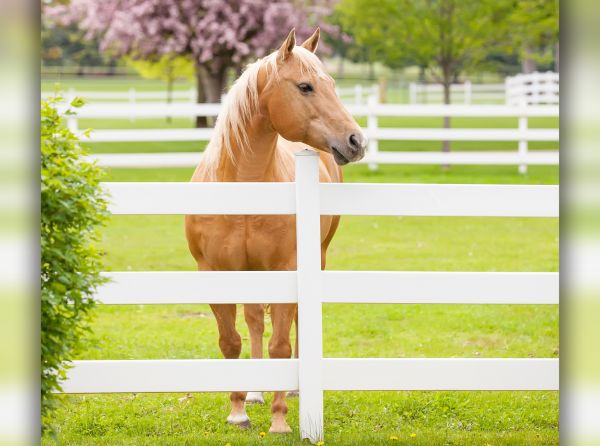
To help your horse avoid enteroliths, limit alfalfa to less than 50 percent of his diet. Photo: Shutterstock/Angela N Perryman
What is the prognosis for horses with enteroliths?
The prognosis for horses with enteroliths depends on the size of the stones, where they are located, and when they are detected. The prognosis for horses with very small enteroliths is good; they may remain asymptomatic and pass the enteroliths in their manure. For horses with larger enteroliths, full recovery is very likely if resulting impactions are identified before damage to the colon occurs. The biggest concern is when the intestine ruptures before detection and removal of the enteroliths; these cases are fatal. Enteroliths that are slightly larger than a fecal ball are the most concerning because they cause colic by completely obstructing the small colon, which is a site predisposed to intestinal rupture. Early detection and the subsequent surgical removal of enteroliths has a high (greater than 90 percent) success rate.
How can enteroliths be prevented?
Enteroliths can be managed by cutting down on alfalfa so that it makes up less than 50 percent of the diet, reducing or eliminating bran, adding apple cider vinegar to hay or grain daily, and increasing the grain ratio to decrease the pH level in the colon. Additional grazing, increasing the number of feedings per day, and providing frequent, consistent exercise can help keep food material moving through the colon. Supplementing with psyllium, softening hard water, and avoiding mineral-rich feeds are additional management steps that can prevent the formation of enteroliths.
Printed with the kind permission of the UC Davis Center for Equine Health. The UC Davis Center for Equine Health is dedicated to advancing the health, welfare, performance and veterinary care of horses through research, education and public service. https://ceh.vetmed.ucdavis.edu/
This article was originally published in the Autumn 2020 issue of Canadian Horse Journal.
Enteroliths of various sizes and shapes that were removed from different horses. It is possible for one horse to have multiple enteroliths. Photo courtesy of UC Davis Center for Equine Health
Blogs & Podcasts

Advertisement

Related Articles


Advertisement

Featured Stories




Advertisement
