Prevention

ia injections horses, corticosteroid injections horses, plasma equine therapy, irap horses, joint injections horses, ia therapeutics for horses, uc davis center for equine health, stem cell therapy horses

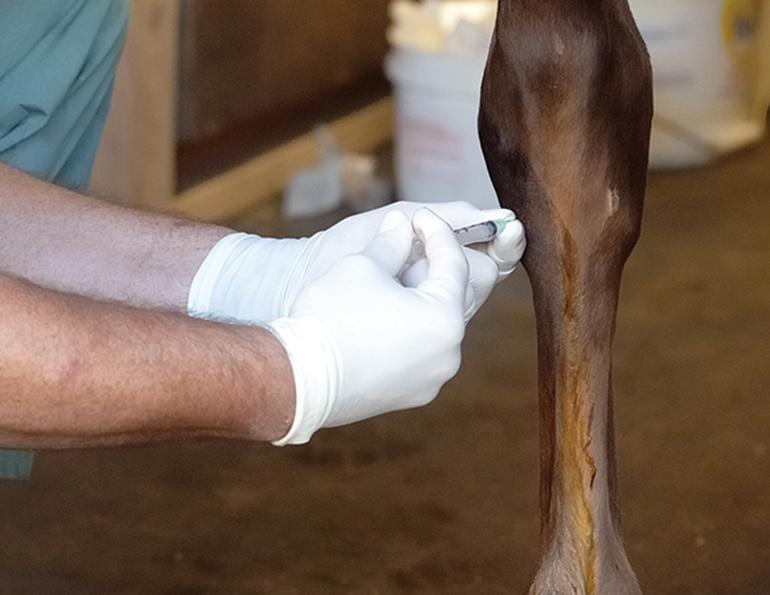
Intra-articular (IA) injections are commonly used when treating joint inflammation and injuries in horses. This method delivers the therapeutic agents directly into the joint, ensuring the treatment reaches the affected area immediately. This is in contrast to systemic treatments, such as intravenous, oral, or intramuscular methods, which require the medication to circulate through the horse's body before reaching the injury or area of concern.

ataxia California horses, equine  Vitamin E deficiency, shivers in horses, cancer horses, sleep deprivation horses, equine headshaking, ulcers horse eye

Vitamin E deficiency can lead to distinct health conditions; Shivers can occur in the front limbs, but only if the hind legs are also affected; A horse’s brain weighs 1.5 pounds, but is still one of the largest brains among land mammals...

equine fitness program, jec ballou, how to increase my horse's fitness, plan to keep my horse fit

Is your horse ready to meet the increased physical demands of the spring season? Along with additional riding time, it's essential your horse is fit enough to hit the trails, compete, jump, or focus on endurance or dressage.

canadian vet shortage, equine veterinarians in canada, horse vets canada, rural equestrian vets, acera insurance

Canada is facing a significant veterinarian shortage that is adversely affecting horse owners. The shortage is particularly acute in rural areas, where equine veterinarians are often unavailable.

equine pre-purchase exam, lameness evaluation horses, lameness locator horses, equine veterinary diagnostic system, flexion testing horses

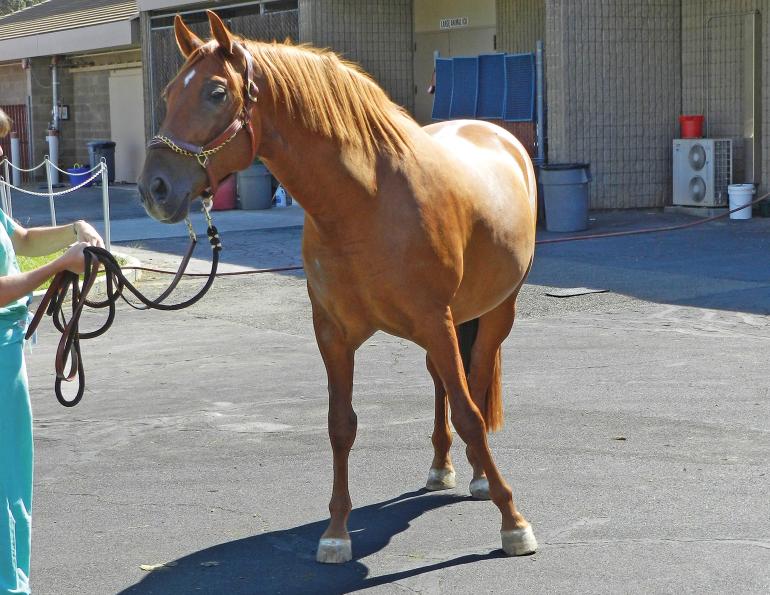
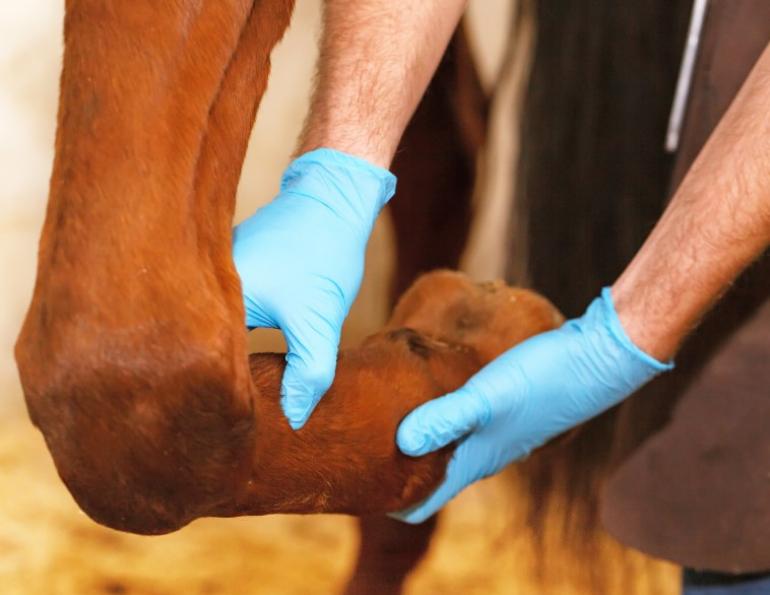
Keeping horses sound is one of the most difficult and important aspects of horse sport. Given that horses have an uncanny ability to injure themselves, at some point every rider or horse owner will need their veterinarian to conduct a lameness evaluation.

rehabilitation for horses, equine rehab, endurance equine, hill top arena and spa, equivibe, undeniable equine services, bemer horse products, therapies for injured horse

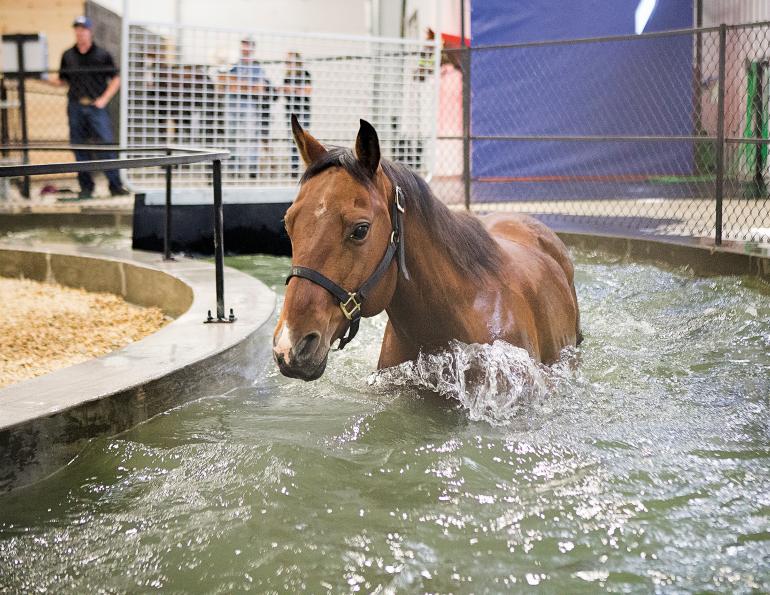
In recent years, a growing number of facilities specializing in rehabilitation and fitness for injured horses have emerged in Western Canada. These centres cater to horses in need of recovery or improved fitness, offering a range of treatments tailored to individual needs. Services vary depending on the business, with options like treadmills, swimming pools, exercise equipment, saltwater baths, and solariums commonly available. Many centres also provide additional offerings such as bodywork, nebulizer treatments, and retail products.

weight horse, equine obesity joint health, exercises for horse joint pain, equine joint injections, corticosteroid injections horses, equine joint supplements

Joint care can be a complex and sometimes overwhelming topic for horse owners. To help bring some clarity, we consulted Dr. Sarah le Jeune from UC Davis Equine Integrative Sports Medicine and Surgery, along with Scott Katzman from the Equine Surgery and Lameness team.

over-training horses, overtrain injury horse, preventing injury in horse, am i working my horse too hard, acera insurance, horse insurance for horses

Well-meaning riders are understandably concerned about ensuring their horses are fit enough for their jobs. But in the drive for competitive results, it’s easy to over-practice and over-train horses — by simply doing too much work and not providing enough rest and recovery days in between.

stomach Bots, equine tapeworms, bot flies, Dr. Wendy Pearson, University of Guelph, larvae pupate, horse care, Seasonal Parasite Control

Stomach Bots and Tapeworms - Your parasite management program should give some attention to stomach bots and tapeworms. To control these parasites more effectively, it helps to understand their life cycles.

Diseases with Horse-to-Human Transmission, Can you get a disease from your horse? Ringworm horses, equine Rabies, Anthrax horses, diseases horses housed livestock, horses poll-evil, diseases equine veterinarians can catch from horses

The short answer is yes—but the encouraging news is that direct transmission of disease from horses to humans is quite uncommon. Still, it’s important to be aware of several bacterial, fungal, parasitic, and viral infections that can, in rare cases, pass directly from horses to people. This overview excludes conditions like West Nile virus, which are not transmitted directly from horse to human but rather through intermediate sources like mosquitoes.

Pages