Diseases

Kathy Smith, skin cancer in horses, horse skin cancer, equine skin cancer, sarcoids in horses, equine sarcoids, sarcoid tumours in horses, equine melanoma, melanoma in horses, squamous cell carcinoma in horses, horse skin tumours, horse lumps and bumps, equine health, horse health, horse cancer, equine veterinary care, horse tumour treatment, horse disease, horse owners Canada, Canadian horse industry

Keep an eye out for the three most common skin cancers in horses and reach out to your veterinarian if you notice any unusual lumps or bumps.

horse respiratory health, equine respiratory system, horse breathing problems, respiratory disease in horses, equine lung health, horse performance, performance horses, horse coughing, nasal discharge in horses, horse airway disease, equine exercise, horse stable management, horse ventilation, dust in horse barns, horse bedding, horse hay dust, respiratory irritants, equine health, horse care, Canadian horses

A healthy respiratory system is essential to every horse's well-being and athletic performance. Like humans, horses rely on their lungs and airways to deliver oxygen throughout the body, but the demands placed on their respiratory system increase dramatically during exercise. Efficient oxygen exchange allows working muscles to perform, while the respiratory tract also serves as an important defence system by filtering and removing dust, bacteria, ammonia, and other airborne irritants. Although mucus, coughing, sneezing, and nasal discharge help clear the airways, excessive amounts of these signs may indicate an underlying respiratory problem.

preventing flies horses, diseases mosquitoes horses, fly sheets, fly masks, manure pile location, botfly eggs on horse, horse fly leggings, parasitic wasps

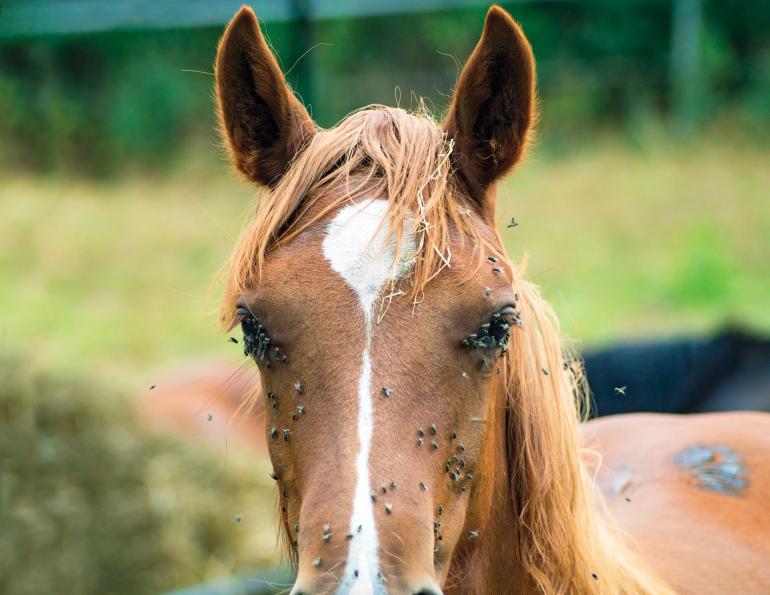
How flies spread parasites and disease - Flies are the bane of many horses’ existence from spring through autumn. In Canada, horse-biting flies include gnats (no-see-ums), black flies, stable flies, deer flies, horse flies, and mosquitoes, all of which create painful sores. Non-biting flies include house flies, eye gnats, face flies, bot flies, and warble flies, and can be just as irritating. It’s not just buzzing and biting that’s worrisome; flies may transmit parasites and diseases, can cause a horse’s immune system to overreact, and some use horses as hosts, all of which impact horse health. Preventing horses from being bitten is key. Before diving into solutions, here’s a summary of the damage that flies can inflict on Canada’s horses.

Foal with neurologic disease awareness, equine juvenile spinocerebellar ataxia, EJSCA symptoms, Quarter Horse foal health, UC Davis veterinary research, equine neurology, genetic testing for horses, hereditary equine disorders

Davis, CA, May 29, 2026 — Researchers at the UC Davis Weill School of Veterinary Medicine, led by Dr. Carrie Finno and graduate student Briana Brown, have reported the genetic cause of a fatal neurologic disease, equine juvenile spinocerebellar ataxia (EJSCA), in American Quarter Horse foals. A genetic test is available through the UC Davis Veterinary Genetics Laboratory (VGL).

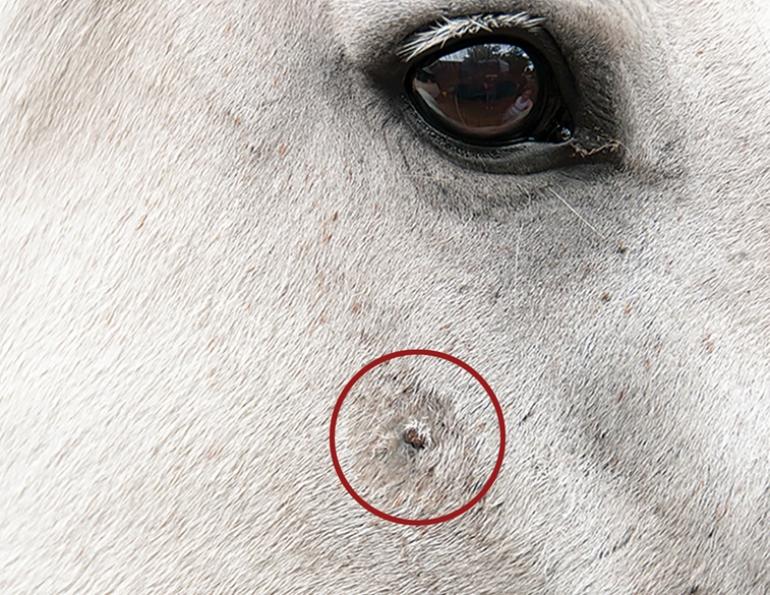
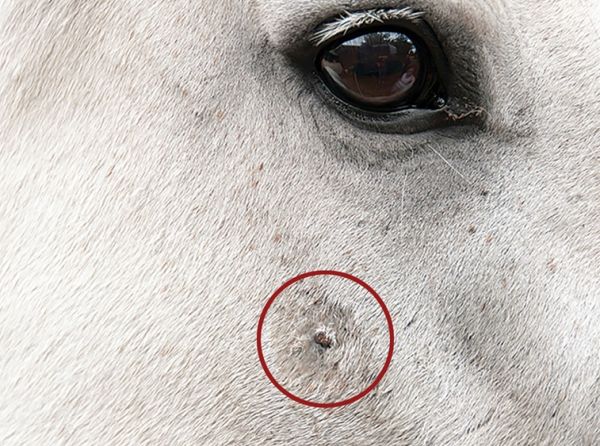
how to remove ticks, tick removal horses, preventing tick bits horses, best bug sprays horses, areas to avoid ticks canada, what do ticks look like on horse, grooming horse tick

Not much can gross out a horse person. We happily pick out hoofs, observe the quality of manure, scrape bot eggs off our horses’ legs, and get a weird sense of satisfaction from an expressed abscess. But ticks… ticks are just nasty.

west nile virus in horses, equine wnv, elisa test horses, uc davis center for equine health

West Nile virus (WNV) is a mosquito-borne virus that affects humans and other animals, of which horses represent 96.9 percent of reported non-human cases. Introduced to the United States in 1999, WNV is now found in all of the contiguous 48 states.

PPID horses, Cushing’s disease horses, Eleanor M Kellon VMD, horse parasites Canada, deworming horses Canada, fecal egg count horses, strongyles horses, ascarids horses, Parascarus equorum, horse health management, equine immune system, senior horse care, horse parasite control, Canadian horse industry, equine veterinary care

One of the hallmarks of pituitary pars intermedia dysfunction (PPID), aka Cushing’s Disease, is a weakening of the immune response. This includes waning immunity to intestinal parasites.

Potomac Horse Fever Canada, PHF horses Canada, equine diseases Canada, horse health summer, equine colitis, horse vaccination Canada, insect-borne horse disease, equine biosecurity

What Every Horse Owner Should Know - As summer arrives, veterinarians and horse owners across Canada grow increasingly concerned about Potomac Horse Fever (PHF). Once rare, the disease is appearing more often in regions north of the United States. Potomac is now considered endemic in Ontario, Quebec, Nova Scotia, Manitoba, Alberta, and British Columbia.

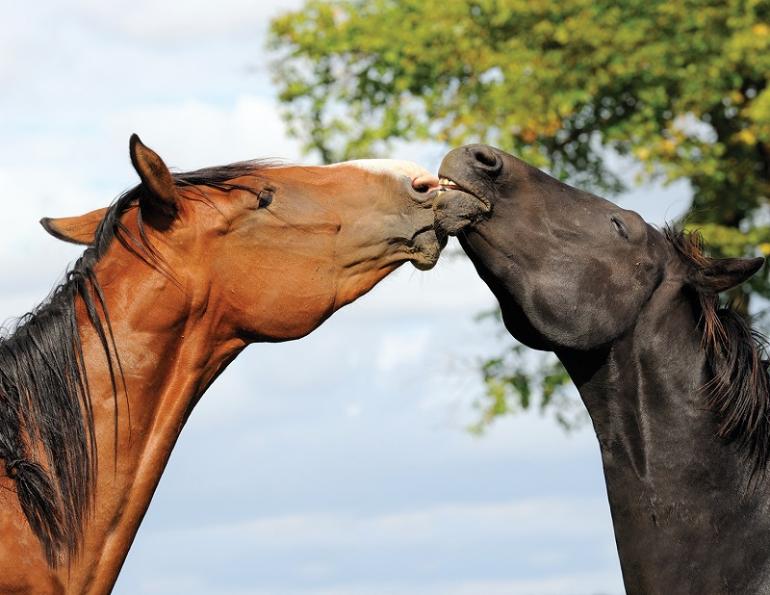
equine herpes virus, diseases horses, flies horses, infectious diseases horses, aerosol droplets horses, preventing illness horses, equine biosecurity, equestrian pathogens

Preventing the spread of infectious diseases in horses starts with understanding how pathogens are transmitted. Disease-causing organisms can reach horses through multiple routes, making biosecurity a crucial part of equine care.

horse colic, what is equine colic, equine digestive tract, preventing horse colic, treating horse colic, how much water horse, how much exercise horse, what should a horse eat, colic risk rater, equine guelph

If there’s one word that strikes fear into the hearts and minds of horse owners, it’s “colic.” Used to describe any form of abdominal pain, colic can affect horses for many reasons and in any season, although cold weather months are a particularly challenging time with increased risk of impaction-related colic.

Pages