Diseases

equine allergies, horse hives, allergy testing horses, allergy shots horses, pastern dermatitis horses, chronic progressive lymphedema horses, ringworm horses, summer sores habronema in horses

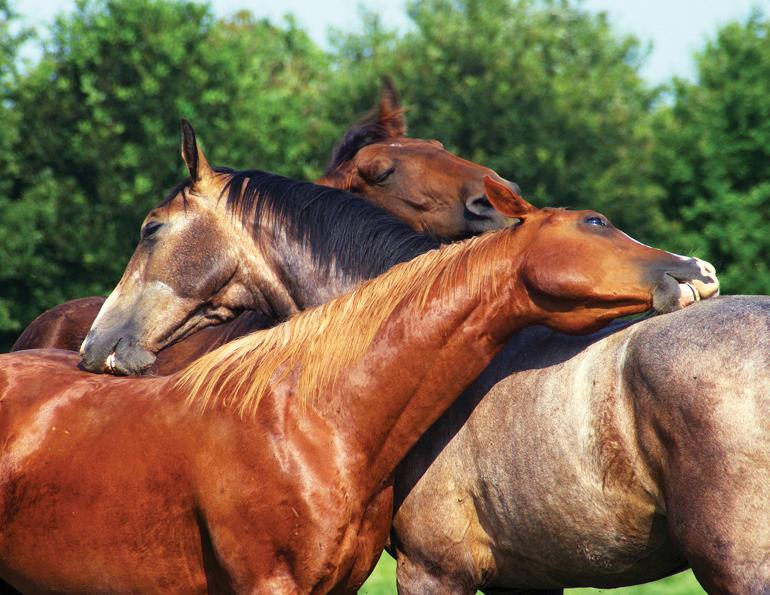
A Scratch for Every Itch - Horses scratch for many reasons. They scratch themselves on fences, rub up against posts (and sometimes people), roll on the ground, and groom each other. A natural behaviour usually linked to social bonding, comfort, and relaxation, it can be heightened seasonally by shedding, sweating, or the presence of insects. However, when scratching becomes frequent enough to result in hair loss, broken skin, scabs, or if it disrupts eating or sleeping, it is time to talk to a veterinarian to determine if a skin allergy is to blame so appropriate treatments can be pursued.
wildfire smoke horses, protect horse smoke inhalation, how to tell if wildfire smoke dangers horses, smoke on a horse farm, air quality index

Horses exposed to fire smoke can suffer respiratory injury of varying degrees, ranging from mild irritation to severe smoke inhalation-induced airway or lung damage. Knowing what is normal versus concerning can help to know whether a veterinarian should evaluate your horse.

breathe herbs for horses, equine asthma treatments horses, alternative therapies horses, equine respiratory ailments

Respiratory disease is one of the most important health concerns facing the horse industry, and accounts for one of the biggest reasons why horses miss training days (Rossdale et al., 1985). Equine asthma, also known as “heaves,” is one of the more troublesome small airway diseases which causes an elevated respiratory rate, chronic coughing and runny nose, and affected horses often find it difficult to exhale.

equine genetics, types of equine diseases, uc davis center for equine health, genetic diseases based on horse breed, testing my horse for dna

The first equine genetic tests became available in the 1990s, well before the equine genome sequence was completed in 2009. Technical advances have since led to a rapid expansion in available tests. Here are a few that can be utilized to inform breeding decisions and provide diagnostic information.

kentucky equine, equine research, foal oxygen, foal oxygen deprivation, horse oxygen, foal health, horse breeding health, neurologic conditions horses

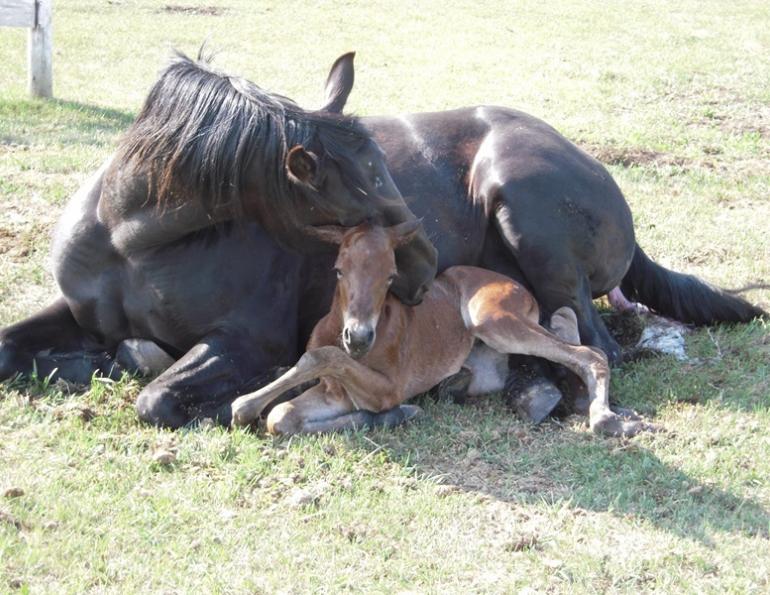
The majority of mares experience a smooth and uncomplicated birth, with the foal typically standing and nursing within an hour or two. Within a few days, the foal is often seen following the mare around the pasture and enjoying a nap in the sun. However, complications during or after birth can occasionally lead to a lack of oxygen reaching the foal's brain. This oxygen deprivation can result in conditions such as hypoxic-ischemic encephalopathy (HIE) or neonatal maladjustment syndrome (NMS), commonly referred to as "wanderers," "sleepers," "barkers," or "dummy foals" by barn managers.

endometritis treatment horses, mare has endometritis, settle as treatment for equine endometritis, novavive horse products

Improves Mare Fertility - Canadian veterinarians now have another option for treating endometritis in their clients’ mares. Canada is the latest country in which Settle® immunotherapy has received regulatory approval for sale. The product is also approved and available in the USA, Australia, New Zealand, and UAE.

equine biosecurity, equine guelph, preventing horse diseases, protecting horses public

Biosecurity involves a series of management steps designed to reduce the risk of contagious diseases being introduced to, or spreading within, a horse property. All equine infectious diseases arise through the interaction between the horse, its environment, and disease-causing organisms such as bacteria, viruses, or parasites. The outcome depends on both the animal’s immune defense and the strength of the pathogen—providing key points where intervention can reduce risk.

equine neurological conditions, uc davis center for equine health, infectious diseases horses, horse headshaking, diseases in foals, flies disease spread horses

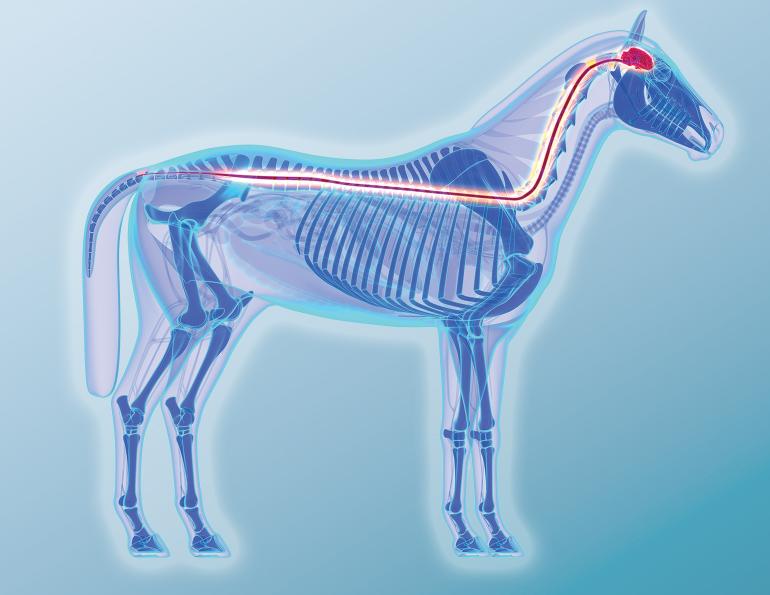
Neurologic issues can affect horses at any age, and clinical signs can result from infectious and non-infectious causes. Increased understanding of equine neurologic conditions has enabled earlier diagnosis and improved outcomes, and vaccines have reduced the spread of infectious diseases. However, diagnosis and treatment remain challenging in some cases.

equine neurologic disease, horse pre-purchase exam, neurological examination horses, how to buy a horse, horse with shivers

Equine neurological examinations evaluate horses from head to tail. They are performed to evaluate signs consistent with neurologic disease or to establish that a horse is neurologically normal, such as during a pre-purchase exam. A neurological exam can be divided into two parts: static and dynamic.

biosecurity horse farm, preventing disease spread horse stable, managing equine property, farm and ranch biosecurity, acera insurance

Across Canada, owners, riders, farms, and horses continue to struggle with strangles, equine influenza, and equine herpesvirus myeloencephalopathy. Not only can these diseases be detrimental to horses’ health, but managing ill horses can stretch finances, shut down commercial operations, and be an emotional roller coaster for those involved.

Pages