


Equine Hoof Health: Debunking the White Hoof Weakness Myth
Updated:
August 15, 2025Don't Judge a Foot by its Colour
By Kim Lacey, AWCF
One white foot, buy him.
Two white feet, try him.
Three white feet, be on the sly.
Four white feet, pass him by.
This old saying might make you think twice about purchasing a horse with white hooves — but how much truth does it hold? Given the enduring wisdom of the phrase No foot, no horse, it’s essential to understand the factors that influence hoof health and function, regardless of colour.
Because of the immense forces exerted during weight-bearing, the hoof plays a vital role in a horse’s overall functionality. Over the past 50 million years, the horse (Equus caballus) has undergone a remarkable evolutionary transformation — from the small, multi-toed, dog-sized Eohippus — to the large, powerful, single-toed animal we know today. This drastic shift to a single digit has made the horse one of the most agile and athletic animals on Earth, as well as a valuable domesticated companion that has profoundly shaped human history and culture.
The hoof capsule is the hard, protective outer structure at the end of the horse’s digit. It consists of several key components — the wall, sole, white line, frog, and the periople (a narrow band of tissue located just below the coronary band) (see Figure 1A and Figure B). Together, these parts form a crucial barrier between the horse’s sensitive inner hoof structures and the external environment.


Photos: Kim Lacey/Thornback Forge
More than just a shield, the hoof capsule provides essential traction, resists wear from varied terrain, and functions as a natural shock absorber. These roles are effectively carried out only when the outer structures are healthy and work cohesively as a unit. Thanks to its highly viscoelastic properties, the hoof can deform under the horse’s weight and then return to its original shape — absorbing impact and maintaining structural integrity.
Related: Healthy Hooves, Happy Horse
However, when the hoof is not functioning properly, distortions such as flares and cracks may develop. This raises an important question: What factors contribute to the development of strong, resilient hooves versus poor, fragile ones?
The shape of a horse’s foot varies immensely and is affected by multiple factors that range from genetics to the environment, but the coffin or pedal bone is the main influence. It is the last bone of the limb and is encased by the hoof capsule, giving the outline to what we see (Figure 2). This bone is developed as a foal and once mature, can only be maintained and supported, but not changed.

Radiograph of the coffin bone in the hoof capsule. Photo: Kim Lacey/Thornback Forge
The front feet are generally rounder, enabling them to bear about 60 percent of the body weight. The hind feet are pointed to allow for purchase to drive the horse forward and are usually at a slightly steeper angle than the front feet.
The conformation of the horse will affect the angle of the hoof wall, creating different types of feet. The most commonly referenced and seen are ideal, upright, and flat or down.
Related: The Role of Therapeutic Shoeing in Equine Lameness Recovery
Ideal feet have a proportionate ratio of toe to heel, maintain similar thickness of hoof wall, and don’t generally have flares, cracks, or distortions (Figure 3A). Upright feet have a steeper angle, creating a more oval shape with increased heel height and increased chances of an atrophied frog (Figure 3B). Thick walls reduce the chances of flaring and tend to grow straight down; they are commonly seen in Arabian and Andalusian breeds. Flat or down feet have a lower angle and as a result usually have a long toe accompanied by low or crushed heels, with a bulbous or pronounced frog that sometimes may be higher than the heels (Figure 3C). Flares, especially at the heel quarters or widest part of the foot, are common, creating a foot that looks wider than it is long (Figure 3D). Thoroughbreds tend to have this type of foot and can be thin-walled and thin-soled.


Solear (bottom) view of a down foot. Notice the wider quarters and run-forward heels.
Photos: Kim Lacey/Thornback Forge
Breeding and genetics have a significant influence on hoof shape across all horse breeds — from Miniatures to Drafts. If you’ve ever wondered why your horse’s hooves differ in appearance from another’s, keep in mind that breed-specific variations are both common and natural.
Related: The Essential Role of Farriers in Hoof Care: Why Certification Matters
On average, a mature horse’s hoof grows about three-eighths of an inch per month, requiring nearly a full year to grow completely from the coronary band to the bearing surface. However, this growth rate can vary significantly depending on the overall health of the hoof and the horse, along with several other factors that influence hoof quality.

The hoof colour has a direct connection to the colour of the coronary band. Notice the darker colouration at the coronary band above the black hoof patch. Photo: Kim Lacey/Thornback Forge
Nutrition plays a foundational role in hoof development. A balanced diet provides the essential building blocks for strong hooves. Key minerals and vitamins support the production of structural proteins like keratin, which gives the hoof horn both strength and flexibility. It’s always best to consult with your veterinarian before introducing supplements, as incorrect use can potentially do more harm than good.
Seasonal changes also impact hoof growth. In regions with dramatic temperature shifts, hooves tend to grow faster in warmer months and slow down during colder seasons. This fluctuation is largely due to factors such as changes in exercise, blood circulation to the hooves, and access to pasture or other feed. These variables can explain why your farrier schedule may shift throughout the year.
Age is another important consideration. Foals can grow hoof tissue at nearly twice the rate of adult horses, while senior horses often experience a noticeable decline in growth. Understanding your horse’s life stage can help you better plan farrier visits and maintain healthy feet year-round.
Related: Pedal Osteitis
The hoof is meant to be hardy and withstand a multitude of environments, from pasture to paddock to trails and arenas. A horse’s lifestyle, work expectations, and hoof care needs are important considerations. For example, horses with heavy workloads tend to be shod and kept in smaller paddocks or stabling with turnout. This decreases the chances of pulling a shoe, especially if specialty or therapeutic shoeing programs are required for the soundness and well-being of the horse. Avoiding shoe-pull is important to preserve the integrity of the hoof wall and quality of hoof. The terrain a horse is expected to travel across will be a deciding factor on whether they can be barefoot or will need more protection from the elements and wear. Areas that experience wetter conditions can lead to mud and oversaturation of the feet, resulting result in weaker feet more susceptible to infections such as thrush. Poorly managed stalls can lead to feet packed with urine and feces, which present breeding grounds for pesky microbes that can cause deterioration of the hoof wall and other structures. Many of these conditions are avoidable if the horse is managed correctly.

Healthy hooves provide traction and have the remarkable ability to deform under the horse’s weight then regain their original shape, absorbing impact and resisting wear and tear. Photo: iStock/RBerryphoto
Speaking to your farrier about concerns relating to your horse’s feet is essential to their well-being. Distortion, cracks, soreness, infections, and other hoof diseases can be managed or avoided altogether. Farriers can give guidance for scheduling and advice on what is best for your horse. Communication is important to establish this connection with your farrier.
There is little evidence to support the belief that the differences in the quality of hooves depend on their colour. Simply put, black hooves are pigmented, and white hooves are unpigmented. Horses are born with white hooves which will change colour within a few weeks, having a direct connection to the colour of their coronary band. That hoof colour will stay with them for the rest of their life — and there is no reason to judge them for it.
Takeaways
- The hoof protects the internal structures from trauma, provides grip and purchase, protects from wear, and acts as an anti-shock mechanism.
- Shape can be affected by conformation, shape of the coffin or pedal bone, and breed.
- Conformation of the pedal bone is developed as a foal, cannot be changed once mature, but can be maintained.
- Hoof growth rates average about three-eighths of an inch per month, and the hoof takes approximately a year to grow from the coronary band to the toe.
- Seasons, age, nutrition, access to nutritious forage, and exercise can all affect hoof growth.
- Nutrition is vital to hoof health, ask your veterinarian before choosing supplements.
- Proactive hoof care ensures a sound, healthy horse.
- There is little scientific evidence to support the belief that black feet are stronger than white feet — white feet are unpigmented and black feet are pigmented.
Related: Hoof Wall Separation Disease (HWSD)
Related: Defining a Strong Hoof: What Sets a Healthy Foot Apart?
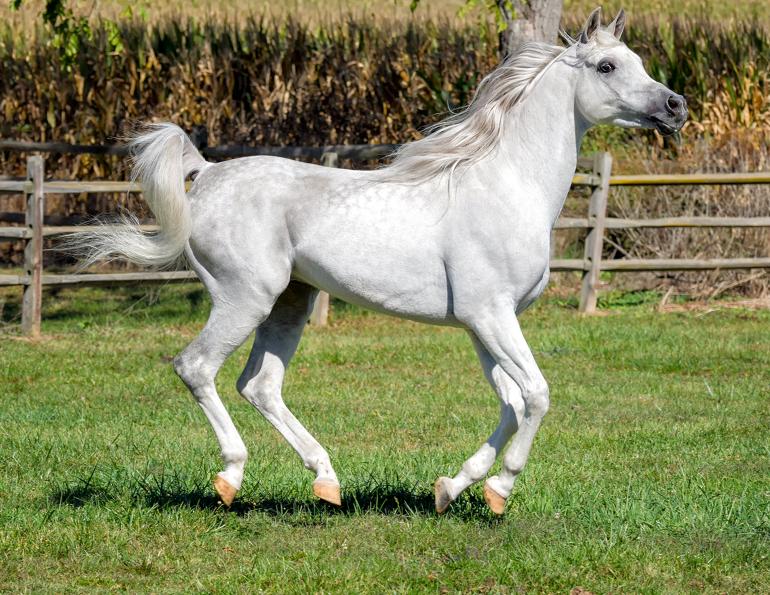
Main Photo: Alamy/catnap

Blogs & Podcasts

Advertisement

Related Articles




Advertisement

Featured Stories










Advertisement