
Pedal Osteitis

Updated:
July 25, 2025An Under-Diagnosed and Misunderstood Condition
By Russell J. Floyd, CJF, AWCF, ASF
Over the past few years of shoeing rodeo horses with heavy competition and training schedules, I have noticed patterns emerge. Commonly, roping and barrel horses spend a decent amount of time barefoot during the off-season, and are put back to work for several weeks before being shod. These generally small and flat-footed horses can end up lame. That is when pedal osteitis rears its sneaky, ugly little head. I believe pedal osteitis is very difficult to diagnose, and because of this it is under-diagnosed, or passed off as another type of lameness.
What is Pedal Osteitis?
Let’s break down the word and get to the root meanings. “Pedal” refers to the coffin bone; “osteo” refers to bone; and “itis” refers to inflammation. When these are combined we have inflammation of the coffin bone.
Related: Defining a Strong Hoof: What Sets a Healthy Foot Apart?
As you read this you’re probably thinking: But, bones can’t swell… can they? Remember that the coffin bone is unlike other bones — it is highly porous and surrounded by soft tissue. This tissue is what swells in response to trauma or injury, resulting in pedal osteitis. The reason a surprisingly small amount of swelling in these structures can result in extreme pain and lameness is due to the rigidity of the hoof capsule. This rigidity prevents swelling from going anywhere, thus causing pressure and pain. If you’ve ever had a limb in a cast and swelling within that limb, you’re experiencing the same process that causes the pain of pedal osteitis.

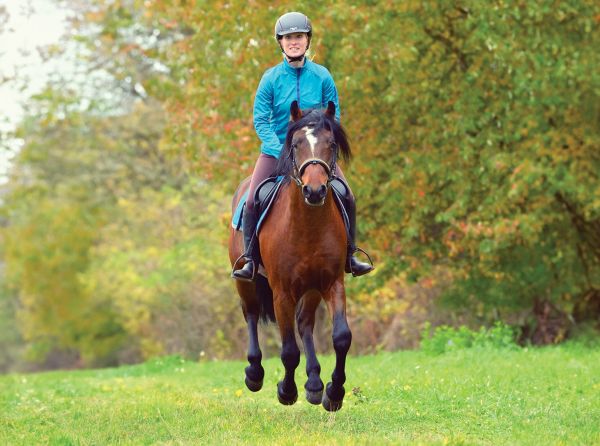
The horse doing high-impact work on hard surfaces or heavy, repetitive work in deep footing may develop pedal osteitis. Photo: Dreamstime/Customposterdesigns

In a horse that is typically calm during shoeing, signs of discomfort, such as reacting to nail tapping, may indicate increased pressure within the hoof capsule. Photo: Shutterstock/Flystock
Causes of swelling of the pedal bone can range from chronic to acute. Examples of an acute cause of pedal osteitis are trauma (such as a bad stone bruise), sole pressure, puncture, infection, and as a condition secondary to other ailments. Chronic causes could be conformation (flat feet), shoeing imbalance, heavy repetitive work in deep/rough footing, or laminitis. This is not an exhaustive list, and any combination of several different factors can cause pedal osteitis.
Related: Thrush in Horses: Causes, Symptoms, and Effective Treatment
Several common texts show old horses with demineralized coffin bones; yes, that is pedal osteitis, but the extreme form. Those texts haven’t taken into account the young working horse whose bones have not yet demineralized. Just because the pedal bone is still intact does not mean that a horse does not have pedal osteitis. This is where the difficulty of diagnosis comes in.

The pink dental impression material fills the space beneath the pad and offers cushioning. This material comes in various firmness levels, and a softer option is used in these instances. Photo: Russell Floyd
The leather pad with dental impression under it will provide the most benefit, with minimum traction in the shoe. The leather pad is fairly soft and adds some cushioning. This setup is applied under either a nail-on or a glue-on shoe. If the horse is at a reduced amount of work and can handle the nailing process, the shoe may be applied with just four nails instead of the standard six nails. Only in severe cases where the horse is on rest and not working would a shoe with this setup be glued on. Photo: Russell Floyd
The texts describe pedal osteitis as roughened edges on the coffin bone. However, in a sound horse the edges of the coffin bone can vary from smooth to rough. Therefore, roughened edges are not a definitive method for diagnosing the condition. A radiograph is going to be inconclusive in nonextreme forms of pedal osteitis because the soft tissue is affected, which wouldn’t be detected on a radiograph. The location of the lameness makes the use of diagnostics difficult, and advanced imaging isn’t available or affordable for many people.
Related: Healthy Hooves Hoof Care Guide
Watching for specific clinical signs of pedal osteitis can greatly aid in determining if a horse has this condition. Look for bruising on the sole, a general pain response to hoof testers, and a shuffling gait (similar to that seen in horses with navicular disease). Also, watch for a horse that prefers softer footing when ridden, reacts to being nailed up, or appears “off” — not lame but not sound either.

This aluminum shoe features a soft edge and traction is kept to a minimum to reduce leverage. Photo: Russell Floyd
Once you suspect that a horse has pedal osteitis, there are several things you can do to try to relieve some of the pain. Reevaluate the balance in your trimming; use a wide-webbed shoe to disperse weight and provide sole protection; use a shoe with a rolled outer edge to ease breakover; use a bar shoe that offers some frog support; or use a combination of a pad with soft packing or a soft pour-in pad. The severity of the lameness and the work the horse is doing will determine the choice of treatment. For a horse that’s working, you may want to use something low profile. I have had some success with building a rolled-edge shoe or grinding and softening the outer perimeter of the shoe, and then adding leather pad with soft dental impression packing. Several times I have turned concave stock backwards to create a soft edge, and this worked out quite well.
Related: Thrush in Horses: Causes, Symptoms, and Effective Treatment
How Common is Pedal Osteitis?
It’s tough to know how frequently this condition occurs, and how often it is misdiagnosed. I suspect it fairly common when horses go through periods of hard work and then come up a bit lame or “off.” The condition will often present as more of a subtle lameness, possibly showing up on tight corners or hard footing, characteristic of a horse with sensitive feet.
Look for signs of discomfort in a horse that is usually calm during shoeing, such as reacting to the tapping of nails, as this increases pressure within the hoof capsule. Diagnosing pedal osteitis is typically a process of eliminating other possibilities. Magnetic resonance imaging (MRI) is the only imaging that will definitively show the soft tissue inflammation, but the cost is prohibitive at about $3,000 per foot.

This horse does not have pedal osteitis, but the MRI image shows both bone and soft tissue. The darker areas are bone and the soft tissue surrounding the coffin bone is visible. Typically, the soft tissue throughout and surrounding the coffin bone and particularly on the solar (flat, ground) surface is affected. If that soft tissue was inflamed (swollen) it would show on an MRI. Even a small amount of swelling in this area causes pressure and pain. The top arrow is pointing at some inflammation in the coronary band. For diagnosing pedal osteitis, MRI is prohibitively expensive. Photo courtesy of Russell Floyd
Long-Term Prognosis
For a horse with this condition, the long-term prognosis is generally positive. Treatment usually includes rest or reduced riding, protective pads, reduced leverage by improving break-over or adding an equilibrium-style shoe, and anti-inflammatory medications. Identifying and addressing the underlying cause is important. Common causes include stall-kicking, riding on rough or hard terrain, and high-impact work on uneven surfaces. Unlike a typical stone bruise, which is highly localized, pedal osteitis presents as a more generalized condition.
With proper care, the horse can typically return to work. Based on personal experience, recovery usually takes approximately two shoeing cycles or about 12 weeks, though this may vary slightly depending on the severity of the condition.
Related: The Well-Fed Foot - Nutrition for Healthy Hooves
There is no guaranteed fix when dealing with a difficult-to-diagnose lameness. The next time you are presented with an “off” horse, I urge you to take a second look and consider pedal osteitis as a potential cause.
Related: Understanding Equine Osteoarthritis: Causes, Symptoms, and Management
Related: Barefoot vs. Shod Horses: Key Considerations for Equine Hoof Care
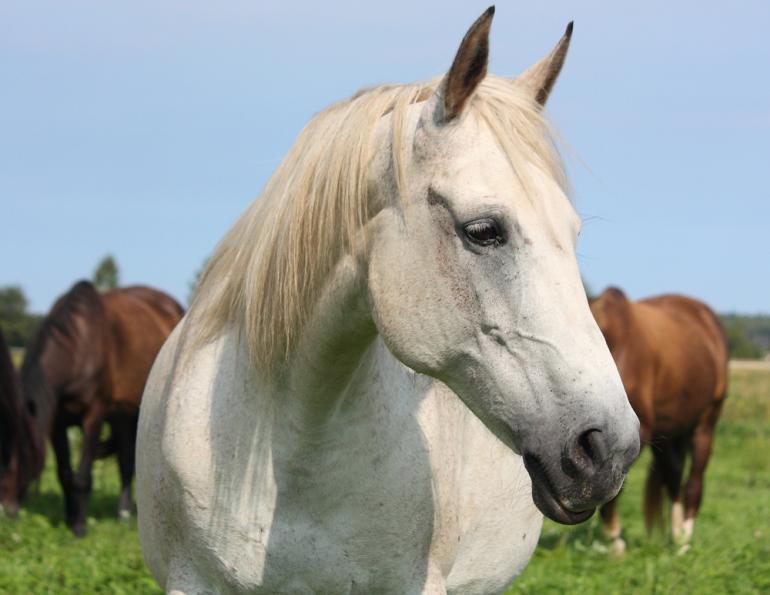
Photo: Dreamstime/Amidchaos9
Blogs & Podcasts

Advertisement

Related Articles


Advertisement

Featured Stories



Advertisement