

The Role of Mowing in Horse Pasture Management

Updated:
June 13, 2025By Dr. Stephen Duren
Mowing refers to the act of cutting grass to a consistent height, whether in a pasture or lawn setting. For horse owners managing grazing areas, it’s common to wonder:
- Should horse pastures, paddocks, or turnout fields be mowed?
- What is the ideal mowing height for pasture grasses?
- Is it safe to allow horses to graze immediately after mowing?
- What benefits can mowing offer to pasture health and horse nutrition?
Why Mowing Matters
Proper pasture management plays a vital role in providing horses with consistent, high-quality forage. Grass that’s well-maintained can serve as a valuable and natural source of nutrients for grazing horses. Mowing is a key strategy in maintaining healthy pasture conditions.
Related: Pasture Perils - Plants Toxic to Horses
Related: Do Not Toss Yard Waste Over the Horse Fence
While some may view mowing as purely cosmetic, it actually supports several important pasture goals. Regular mowing helps control invasive weeds, improves the overall nutritional quality of available forage, and can reduce overgrazing in specific areas by encouraging more even grazing patterns.
By incorporating mowing into your pasture maintenance plan, you’re actively supporting the long-term productivity and health of the grazing environment your horses depend on.

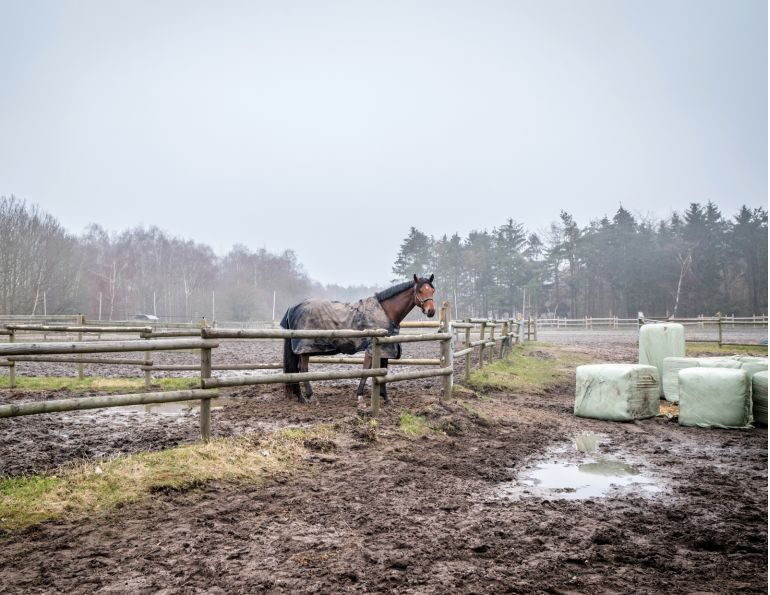
Pity the horse that has to find something to eat in this poorly maintained pasture. This pasture is full of weeds, with very little forage of nutritional value and well established grazing patterns creating many ungrazed areas with weeds that have gone to seed.
Mowing pastures is a great means of controlling weeds. Repeated mowing of pasture decreases the competitive ability of a weed to survive in a grass paddock. Keeping weeds the same height of grass will give grass an advantage, and prevent weeds from shading and restricting grass growth. Mowing also serves to prevent weeds from establishing seed heads. Eliminating seed heads prevents weeds from reproducing and spreading in the pasture. The control of weeds in a pasture does not occur with a single mowing, but is facilitated with repeated mowing.
Related: Horse Pasture Renovation
Related: Safe & Effective Fencing Options for Horses
Mowing pastures enhances pasture quality. A grass plant that is actively growing is constantly producing nutrients that horses can utilize. The mowing process keeps grass plants in a vegetative or growing state. Mowing prevents the plants from reaching a reproductive state when they develop a seed head and ultimately cease growing. Mowing also keeps plants at a shortened height which increases digestibility and palatability. As grass plants grow tall they become fibrous and less digestible. When mowing grass pastures, it is important not to cut grass plants too short since cutting too short will reduce leaf area which is needed to stimulate growth. A grass plant that is cut too short is also prone to stress and may die. The optimum height for a cool-season grass is approximately four inches (10 cm), while the optimum height for a warm-season grass is approximately eight inches (20 cm).
Mowing pastures also reduces grazing patterns. Horses tend to graze in certain areas of a pasture and utilize other areas of the pastures to pass manure. The grazed areas are very short and known as “lawns.” The ungrazed areas consist of taller grass and they are known as “ruffs.” This is a bit of golf course terminology, but it describes well the different areas of a horse pasture. Mowing serves to shorten the taller grass and enhance its palatability. Over time this will help to eliminate the grazing patterns that can exist in horse pastures and provide better utilization of pasture.
What are the risks, if any, for horses grazing mowed pasture?
The biggest risk associated with mowed pasture is the possibility that the horse may consume molded grass. Once grass is mowed, the portion of grass that is clipped from the plant contains a high moisture content. These clippings are prone to molding. If horses eat grass that has molded, it can cause a variety of symptoms including coughing and nasal discharge, and extreme instances result in death due to mold toxins.
Another potential risk of clipped forage is choking. If horses take in large mouthfuls of short grass clippings they can potentially choke. Both the risk for ingestion of mold and for choking can be virtually eliminated if the pasture is harrowed following mowing. The harrowing process spreads the grass clippings evenly throughout the field and dramatically decreases the likelihood of any problems.
Related: How to Make Rotational Grazing Work on Your Horse Farm
Related: 50 Tips for Improving Your Horse Property
Main photo: Mary R Vogt
Blogs & Podcasts
Advertisement
Related Articles




Advertisement

Featured Stories


Advertisement
