Seasonal Care

horse self-mutilation syndrome,  Lynne Gunville, Dr. Claire Card, horse skin, unusual horse noises, flank biting, equine self-mutilation syndrome, horse care

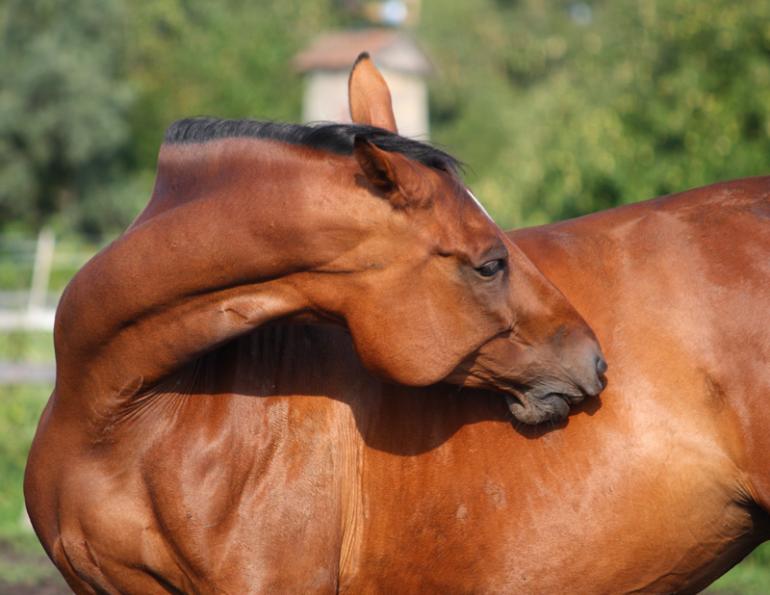
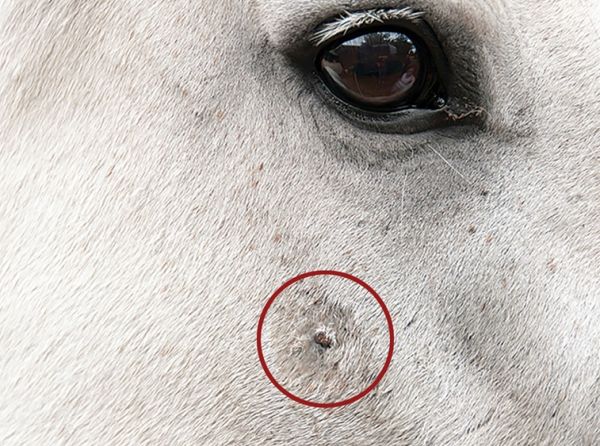
At first, you might notice something wrong with your horse’s skin. He may start making unusual noises or being hypersensitive to your touch in the flank area – signs that would normally point to a medical issue such as a dermatological condition.

Hans Wiza, horse Hoof makeover, splay-footed horse, cracked horse feet, chipped horse feet, flared horse feet, flaking horse feet, bent horse feet, broken horse feet, hyper-expanded horse feet, peeling horse feet, equine scapular hinge vertical alignment, H.A.N.S. TRIM protocol, horse shoes

Tequila is a Thoroughbred mare that I was asked to shoe a couple of months back. She stands splay-footed, is badly over at the knees, and her hind legs were quite sickle-hocked. Her feet were smashed, flared, chipped, and cracked. She was just the kind of project that I wanted to do a “hoof makeover” on – I do love a challenge.

equine immune system, Equine infectious anemia, equine organ-damaging inflammation, blood-borne equine disease, equine eia, testing horse blood, Equine infectious anemia-infected horse, horse care, horse health

Equine Infectious Anemia (EIA), also known as Swamp Fever, is an infectious disease of horses, donkeys, and mules caused by a virus. Horses infected with the EIA virus carry it for life. Most infected horses show no symptoms, but they remain infectious, endangering the health of other horses.
Jackie Bellamy-Zions, equine gut microflora EMS warning, horse care, laminitis, fecal microbial, equine metabolic syndromes, Dr. Scott Weese

Early diagnosis of Equine Metabolic Syndrome (EMS) is an important area of study, especially considering one of the first signs can be laminitis, a serious and sometimes life-ending condition. Catching EMS in its initial stages can facilitate early intervention with an appropriate exercise and diet plan to reduce the chances of laminitis developing.

insulin resistant horse, horse diabetes, equine laminitis, horse laminitis, herbs for horses, dr wendy pearson, herbs laminitis

Laminitis and insulin-resistance (IR) are troublesome conditions in and of themselves, so it is all the more frustrating that they tend to travel together. So while fresh, rich springtime grass beckons winter-weary horses, the insulin-resistant ones must stand resigned and glum on the wrong side of the fence as their well-intentioned owners toss them last year’s browning hay.

senior horse older horse aging horse laminitis older horse impaction colic older horse cushings older horse ppid older horse dental problems older horse

Common Conditions, Challenges and Pain Recognition - Keeping a horse comfortable into their senior years requires an attentive caretaker backed by a knowledgeable team. It is important to seek the input from your veterinarian and farrier to help maintain the health of an elderly equine and to spot conditions that will need special treatment sooner rather than later. Recognizing changes and not just dismissing them as “old age setting in” is a large part of the responsibility assumed when caring for the senior horse.

winter horse, horse cough, horse repiratory, equine copd, equine respiratory, equine cough, equine winter health, horse health, equine science, Mark Andrews

By Mark Andrews - It's not just horseback riders that cough and wheeze at this time of year. Respiratory problems are common in horses as well. Loss of performance may be the first sign that something is wrong. Mildly affected animals may cough occasionally when eating or when starting work. As the condition gets worse they may cough almost continuously.

horse sunburn too much sun horse protect horse from sun equine photosensitivity winter turnout horse

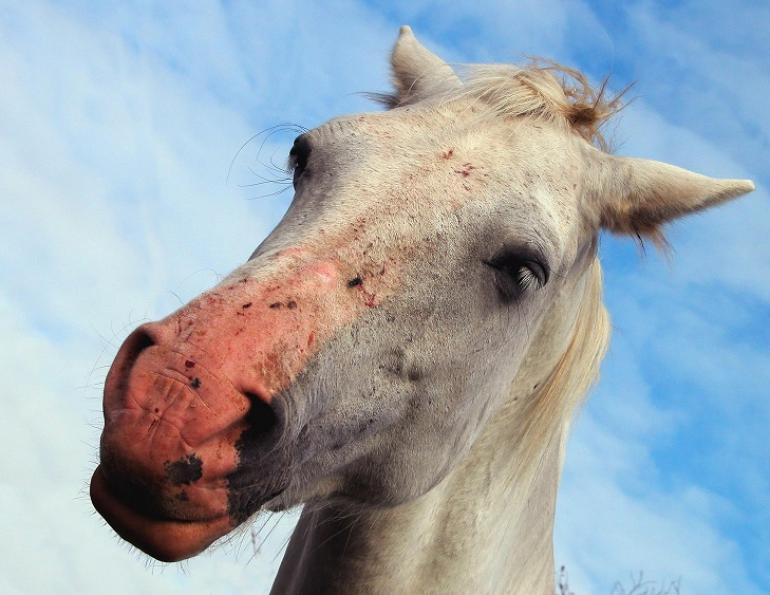
Just as humans can be burned by the sun’s ultraviolet rays, light coloured horses may suffer from sunburn. Even horses with dark coats can be vulnerable to sunburn if they have white markings on their faces or legs.

horse dehydration, equine sweating, horse overheating

Remember the Electrolytes - As we hit the hottest portion of the summer, we’re witnessing our horses’ attempts to keep cool by sweating. The process of sweating causes a decrease in core temperature through evaporative cooling at the skin surface. As high energy molecules evaporate from the skin, releasing energy absorbed from the body, the skin and superficial vessels decrease in temperature. Cooled venus blood then returns to the body’s core and counteracts rising core temperatures.

hores body condition scores horse, Reconditioning Horse, spring horse riding, get a horse fit, horse feed change, equine fitness, horse exercise, overworked horse

As we welcome the transition from winter to spring, we are eager to get back in the saddle and start riding regularly again. Canadian winters are not sympathetic to outdoor riding, and without access to indoor facilities many horse owners have not been able to ride or exercise their horses as much as they would like during the winter months. Bringing horses back into work after their winter vacation must be done gradually by starting at a lower level and increasing the duration and intensity of workouts. At the same time, the horse’s feed should be adjusted to address his present body condition (too thin or too fat) as well as nutrient requirements for the increased workload.

Pages