Seasonal Care

Horse Run-In Shed equine, horse shelter equine, horse property drainage

Among domestic animals, horses are some of the most naturally wide-ranging. They evolved as nomadic grazers, adapted to constant movement across varied landscapes and climates. Their instinctive response to any potential threat is still flight. Although domestication has shaped them to fit human needs, their fundamental nature remains largely unchanged.

stalled horses impact health, are horses okay isolated, alice ruet equine science mark andrews, housing horses in individual boxes

Horses are commonly housed in individual boxes. While this may be convenient and prevent injuries from other horses, it may also be detrimental to the horse’s welfare, especially if access to pasture is limited. A paper by Alice Ruet and colleagues investigated the effect of various management practices on the display of behavioural indicators of compromised welfare in housed horses.

horse overheated, dr. wendy pearson university of gueph, heat stress horses, electrolytes horses, over exercise horses, water needs of horses

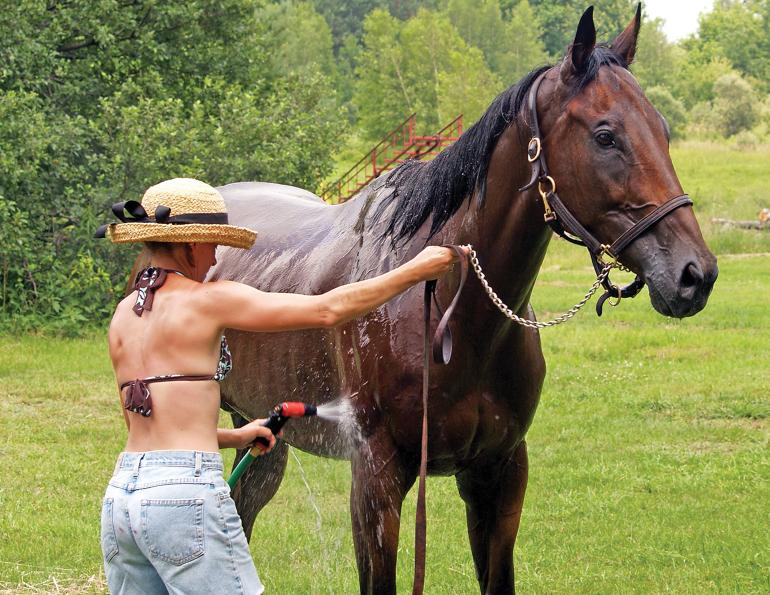
Is it hot enough for you? If you feel suppressed by repeated days of hot and humid weather, you can be sure that your horse feels worse.

flies that bother horses, keeping flies off horse, flies on horse eyes, diseases flies equine, fly masks

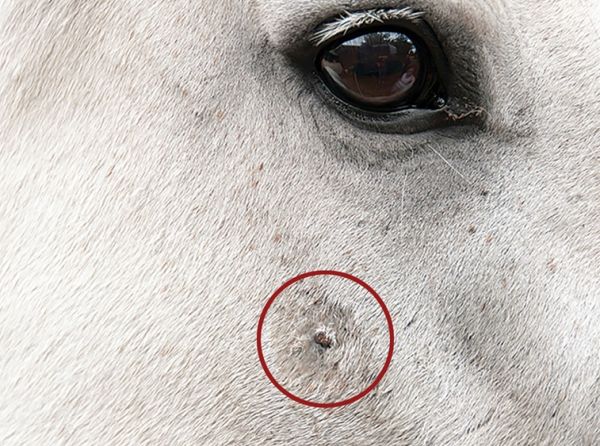
Summer brings with it a surge in insect activity, and flies can quickly become a serious source of discomfort for horses. These pests are more than just irritating—they can transmit disease and provoke allergic responses.

toxic plants to horses, toxic weeds to horses, equine laminitus, andrea lawseth, poisonous horse plants, Andrea Lawseth, field horsetail toxic horse, Water hemlock toxic horse, Stork’s bill toxic horse, Johnsongrass toxic horse, pyrrolizidine alkaloids toxic horse. Poisonous plants horses, equine laminitis

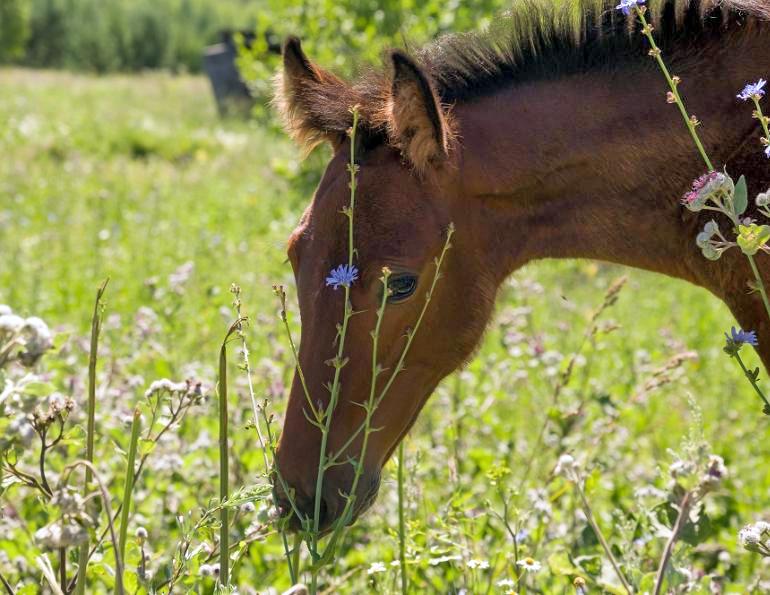
"My horse is smart enough not to eat toxic plants" - This is a comment I often hear during property visits focused on responsible manure and pasture practices. While it’s true that horses generally avoid undesirable or toxic plants when there’s ample healthy forage available, issues tend to surface when pastures are overgrazed and food choices become limited. That’s when horses may resort to eating weeds or harmful plants. It’s essential for horse owners to recognize which plants pose a threat and to understand how to control their presence in grazing areas.

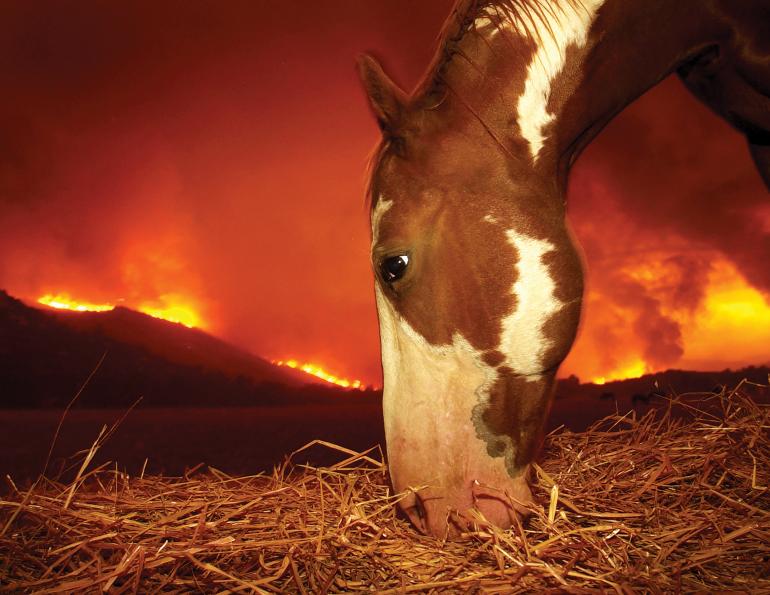
wildfire smoke horses, protect horse smoke inhalation, how to tell if wildfire smoke dangers horses, smoke on a horse farm, air quality index

Canadian equestrians breathe a sigh of relief when long-awaited spring weather finally arrives and the outdoor riding season begins in earnest. Time to fit up our horses and ourselves for trails, competitions, and the pleasure of spending time outdoors, finally free of the layers of winter gear and horse hair that come with the chillier seasons…

climate change horse industry, prepare horse farm for climate change, heat dome horses, rescuing horses disaster, hay shortages, colic horses

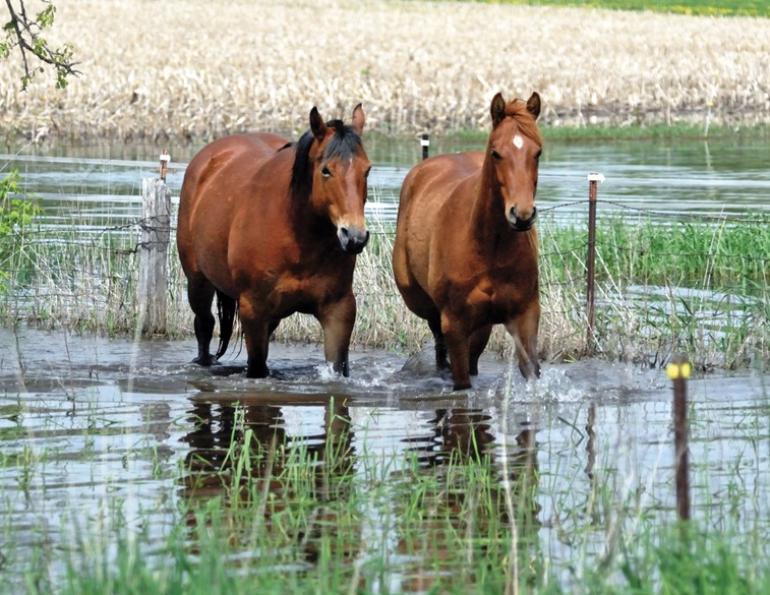
Climate change is increasingly affecting horses, horse properties, and their owners across Canada. In recent surveys, nearly 90 percent of Canadians reported noticing the impacts of climate change in their communities. Horses are facing rising health risks, including respiratory diseases from wildfire smoke and dust, skin conditions and hoof damage caused by unpredictable weather, and new parasites and diseases. Horse owners are also dealing with higher hay costs, unexpected veterinary expenses, and challenges related to weather disruptions, such as riding limitations. Meanwhile, owners of horse properties are working to repair damage from severe storms, flooding, droughts, and high winds.

Overcoming horse breeding challenges, solutions to horse breeding challenges, improving horse breeding chances, uterine infections in horses, poor perineal conformation in horses, persistent breeding-induced endometritis in horses, how does stress affect horse breeding, Oviductal blockage in horses, equine reproductive evaluation, how improve odds of horse breeding

“Don’t let those mares sit all fall and winter, with untreated conditions such as a uterine infection,” says Dr. Tracey Chenier, theriogenologist and researcher from the Ontario Veterinary College at the University of Guelph. “Have a thorough veterinary evaluation to help ensure her uterus is clean and she is healthy and cycling early next year, for the best chance of a positive outcome.”

Do Horses need electrolytes in Winter?, horse electrolytes, equine dehydration, equine impactions, Dr. Wendy Pearson

Question: Does my horse need electrolytes if he barely sweats during cold weather rides?

stomach Bots, equine tapeworms, bot flies, Dr. Wendy Pearson, University of Guelph, larvae pupate, horse care, Seasonal Parasite Control

Stomach Bots and Tapeworms - Your parasite management program should give some attention to stomach bots and tapeworms. To control these parasites more effectively, it helps to understand their life cycles.

Pages