

Thoughtful Horse Blanketing: Myths, Facts, and Blanket Types
Updated:
October 15, 2025By Kathy Smith
Blanketing your horse in winter might seem straightforward — just throw on a cover when the temperature drops and you’re done. In reality, it’s a far more nuanced decision. From choosing the right type of blanket to understanding when and how to use it, there’s a balance between keeping your horse comfortable, preventing health issues, and avoiding unnecessary wear or overheating. Add in the swirl of advice from seasoned barn hands, online forums, and long-held myths, and it’s no wonder many horse owners find themselves second-guessing their choices. This guide will cut through the confusion, explore the facts, and help you develop a practical blanketing routine tailored to your horse’s needs and your local climate.
Horses are remarkably adept at regulating their body temperature across a wide range of conditions. According to the National Code of Practice for the Care and Handling of Equines, the thermoneutral zone is the temperature range in which animals can maintain their normal body temperature without expending extra energy. For horses, this range is between 5 and 20 degrees Celsius (41 to 68 degrees Fahrenheit). When temperatures fall outside this range, deciding whether or not to blanket is just one of several important considerations.
Your answers to these true or false questions will test your knowledge of blanketing basics and help you blanket with confidence.
Related: Build Your Equine Team This Winter
TRUE OR FALSE? If your horse is shivering, he’s already too cold.
TRUE. Shivering is a clear sign your horse is cold and trying to generate warmth. If you see shivering, it’s time to increase warmth immediately, either by moving the horse to shelter, providing hay, blanketing appropriately, or a combination of these actions.
TRUE OR FALSE? All horses need a blanket once temperatures drop below freezing.
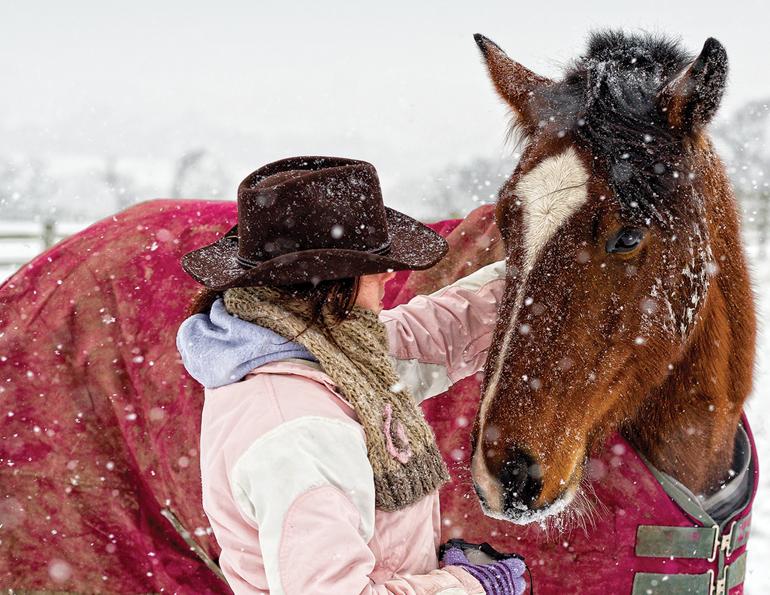
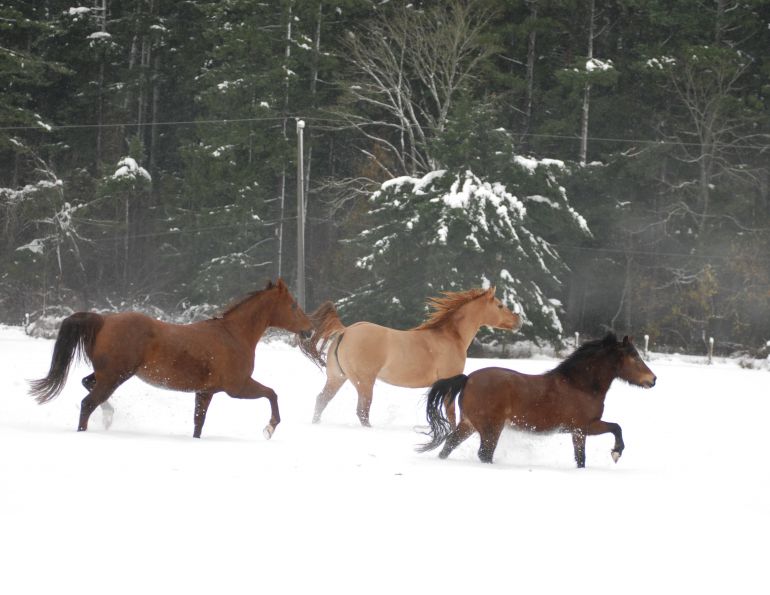
FALSE. Many healthy, unclipped horses with full winter coats and access to shelter can thrive without a blanket, even in freezing conditions. A horse’s coat insulates through its thickness and length, and when kept clean, the hair can fluff up to trap warm air close to the body, reducing or even eliminating the need for added warmth.

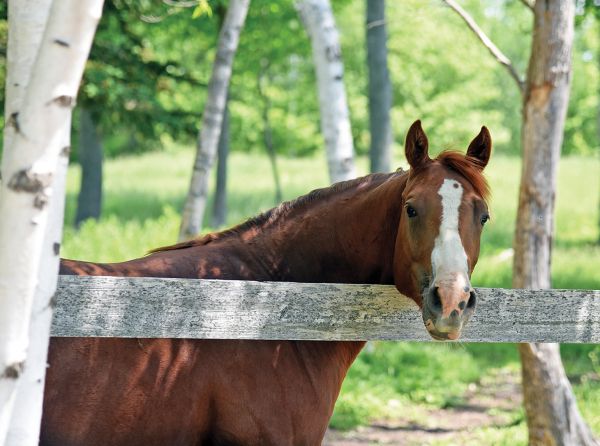
Healthy unclipped horses with a good hair coat and access to shelter may not need blankets. Photo: Clix Photography
However, certain horses may benefit from blanketing, including early-season foals, underweight horses, seniors struggling to maintain weight, horses recovering from illness, clipped horses and those with naturally thin coats.
In addition, horses newly relocated from warmer climates, or those transitioning from life in a stable to living outdoors, need time to acclimate and grow an adequate winter coat. Factors such as age, weight, coat condition, and shelter availability should all be considered when deciding whether to blanket.
TRUE OR FALSE? Clipped horses almost always need blankets in winter.
TRUE. Clipping removes the horse’s natural insulation. Clipped horses often require blankets in cool to cold conditions to prevent chills and support recovery after exercise. Owners who choose to clip their horses are taking on the responsibility of providing blankets to replace lost natural insulation.
TRUE OR FALSE? A higher denier equals a warmer blanket.
FALSE. Denier refers to the strength of a fabric, not its warmth. A higher denier indicates that the blanket’s yarn weave is thicker and more durable. This makes it a better choice for horses prone to destructive behaviour or those that try to remove their blankets. For example, a 1200D blanket is more robust than a 600D one. Warmth is determined by the blanket’s fill weight (e.g., 100g, 200g), not its denier rating.
TRUE OR FALSE? You can layer blankets for more warmth.
TRUE. Layering gives flexibility. Start with a liner or stable blanket, and top with a waterproof turnout sheet or blanket. Just ensure layers fit well and don’t cause rubs or slippage.
Related: Cooling Down Your Horse After Winter Exercise
TRUE OR FALSE? Horses can’t overheat in winter.
FALSE.
Choose the right fill weight for your horse’s blanket by considering his environment, body condition, and hair coat. The fill weight refers to the amount of insulation in the blanket, measured in grams per square metre (gsm). The higher the number, the greater the warmth. For example, 100g offers light warmth, 200–250g provides medium to heavy warmth, and 400g delivers extra-heavy warmth. Avoid overblanketing, which can cause sweating, dehydration, and discomfort. To check, place your hand under the blanket at the withers or behind the elbow — if the area feels hot or damp, reduce the layers.

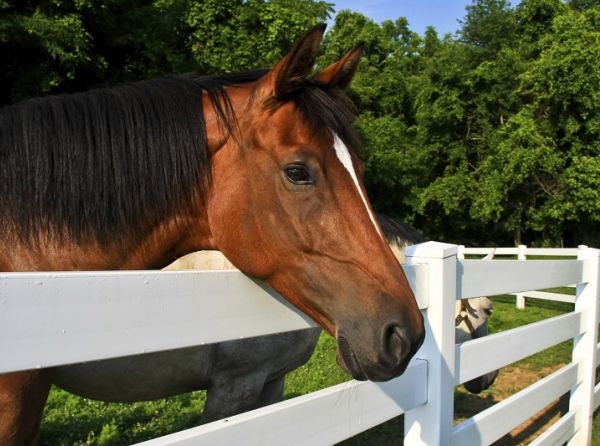
The horse’s hair coat fluffs up to trap warm air close to the body. Photo: iStock/Klaus Radetzki
TRUE OR FALSE? It’s okay to leave a wet blanket on as long as the horse is warm.
FALSE. Wet blankets lose insulation and can cause chills or skin problems. Always change wet blankets for dry ones or remove them altogether.
TRUE OR FALSE? If the horse is hot and sweaty after winter riding, it’s fine to throw on his heavy winter rug and turn him out.
FALSE. Never place a heavy winter rug on a damp horse. Instead, use a breathable wool or polar fleece cooler to draw moisture away and help your horse cool down gradually without risking a chill. Always ensure the horse is fully dry before turning him out.
TRUE OR FALSE? Fit is just as important as warmth.
TRUE. Poorly fitting blankets can cause shoulder rubs, pressure points, or dangerous slippage. Fit differs among blanket brands so ask a knowledgeable salesperson or the blanket manufacturer to help you get a good fit. The breed and build of the horse will also be a consideration. Always measure before buying and adjust straps for a snug but non-restrictive fit.
TRUE OR FALSE? Stable blankets are waterproof.
FALSE. Stable blankets are designed for indoor use and are not waterproof. Never use them outside in wet weather.
Related: Watering Horses in Winter
TRUE OR FALSE? You only need one good blanket per horse.
FALSE. Most horses need a few layers to handle changing conditions: a sheet, a midweight, a heavy, and possibly a cooler or liner. Having backups is recommended in case of damage or wet weather. Blankets are designed for different purposes and are made with different properties and materials for breathability, durability, and waterproofing. Jump to Types of Blankets below for more information.
TRUE OR FALSE? A horse with access to shelter doesn’t need a blanket.
SOMETIMES TRUE. If the horse is unclipped, in good condition, and accustomed to cold, shelter may be enough. But rain, wind, and certain health conditions can make blanketing necessary even with shelter.
TRUE OR FALSE? The blanket can basically go on in the fall and come off in the spring, with just occasional checks in between.
FALSE. Both the blanket and the horse wearing it should be inspected daily for any signs of injury or entanglement, as well as blanket damage such as rips, tears, or broken straps. Feel under the blanket to ensure the horse is dry and at a comfortable temperature.

Horses can be tough on blankets — inspect them daily for rips, tears, and broken buckles or straps.
Once a week, remove the blanket completely to check for injuries, blanket rubs, and overall body condition. This is also the ideal time to reassess the fit, as changes in weight or muscle tone can affect how well the blanket sits on the horse.
Related: How to Prevent and Treat Mud Fever
Each horse is unique, and conditions can change quickly. Keep an eye on your horse’s behaviour, body condition, and the weather forecast — and be ready to adapt your approach as the season shifts.
TYPES OF BLANKETS
Equine Guelph
Blankets are designed for a variety of purposes, and their materials differ in properties such as breathability, durability, and waterproofing. Understanding the different types can help you choose the right one for your horse’s needs:
Rain Sheets — Protect the horse from rain and help keep them dry. They may be lined or unlined, and can provide a small amount of warmth.
Fly Sheets — Made of lightweight, fine mesh fabric to protect against biting insects and flies. They also block UV rays and are typically used in summer.
Coolers — Help cool down and dry a horse after exercise while providing light warmth during the process.
Turnout Sheets — Provide light warmth for cooler days and can double as stable blankets.
Stable Blankets — Provide warmth in the stall. They are not waterproof but can be layered under a rain sheet for turnout.
Turnout Blankets — Designed for outdoor use, available in various weights for fall and winter. They should be waterproof to protect from rain and snow while offering warmth. Options include:
- Lightweight
- Medium Weight
- Heavy Weight — Typically contain 300–440 grams of fill. These may be essential for fully clipped horses or extreme cold, but can be too warm for some horses in milder conditions.
Thanks to Equine Guelph’s Horse Blanketing Tool – The Horse Portal for this information.
Related: How to Clip Your Horse
Related: Shelter Solutions for Horses in All Weather Conditions
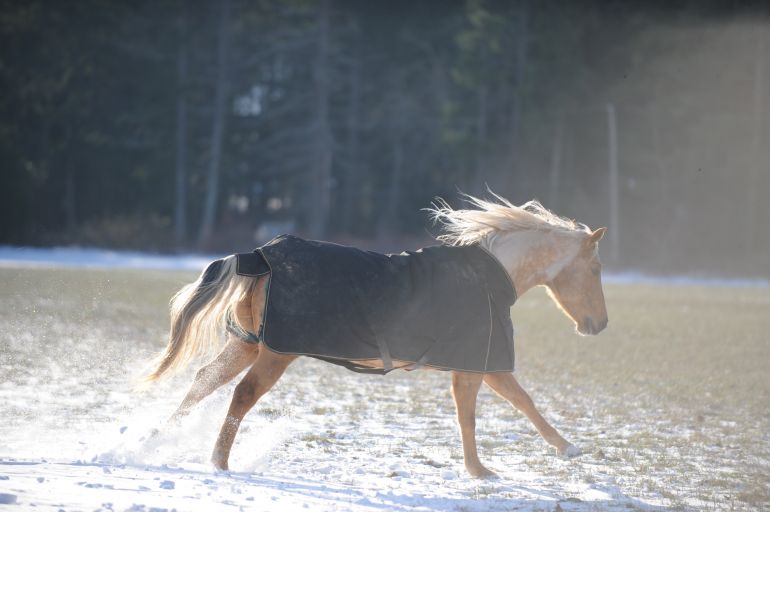
Main Photo: iStock/Dageldog
Blogs & Podcasts

Advertisement
Related Articles




Advertisement

Featured Stories


Advertisement