Grooming

how to braid horse for hunter, how to braid horse for jumper, how to braid horse for dressage

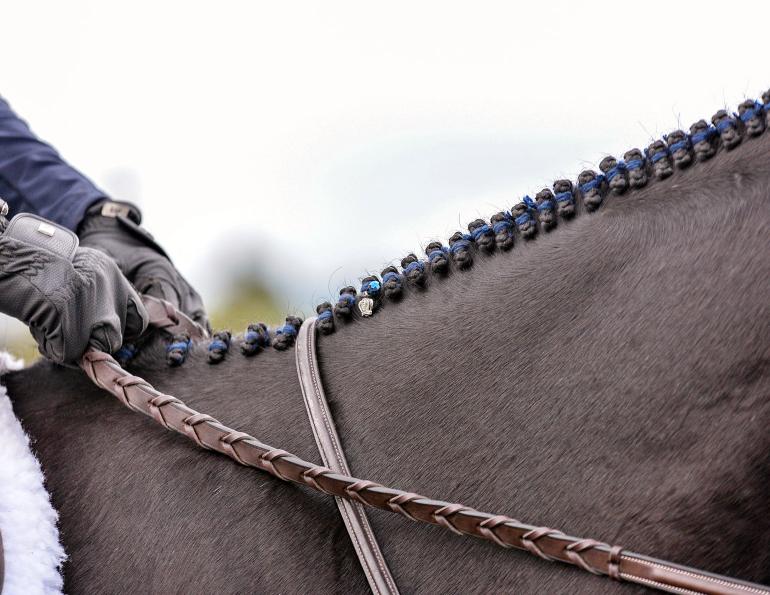
Braiding a horse’s mane and tail is a tradition with deep historical roots. Originally, it served a very practical purpose—keeping the mane from getting caught in tack, tools, or the weapons used by mounted hunters and soldiers. According to old legends, fairies were believed to sneak into barns at night and weave “elf knots” into horse manes to ride them. A more sinister version of the tale suggests that thieves would tie knots in a mane to mark horses they planned to steal. Over time, braiding also came to symbolize class, with neatly plaited manes and tails identifying horses of high breeding or importance.
Dr. Wendy Pearson PhD, Veterinary Toxicology, seasonal pruritus, sweet itch, Type 1 allergic response insect bites, omega-3 fat, Culicoides extract, horse health, full fly sheet horse, fly mask horse

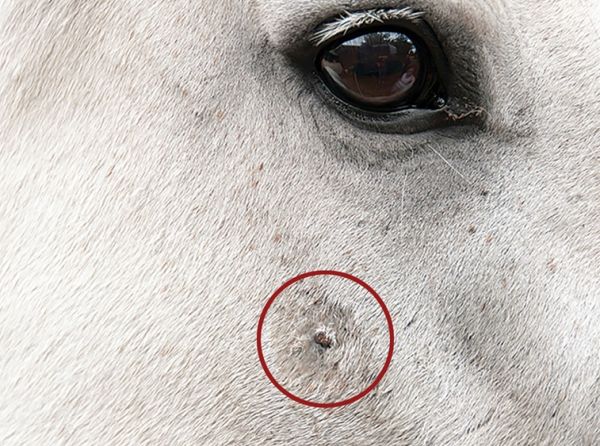
Recurrent Seasonal Pruritus (commonly known as Sweet Itch) is the most common allergic skin condition in horses. Horses with sweet itch experience intense itching along the abdomen, the back, mane, and tail.

How to Train a horse's Mane, train the equine mane, horse grooming, shorten a horse's mane

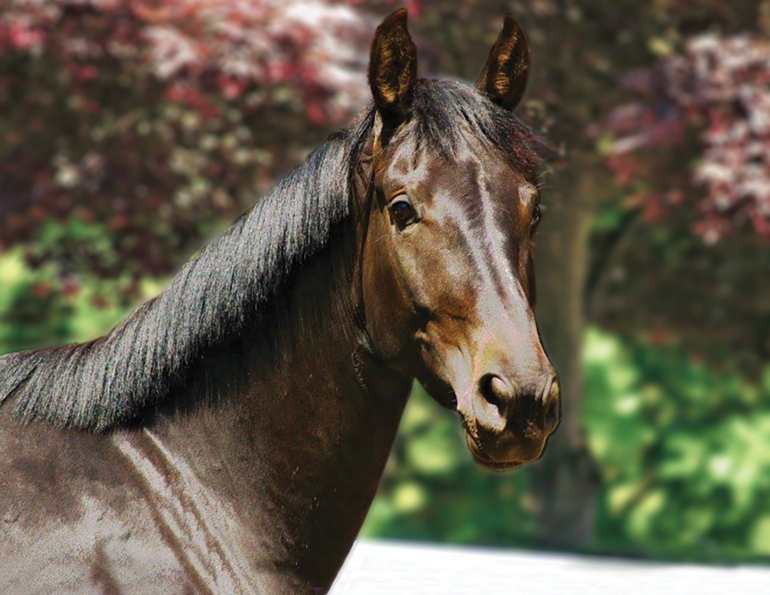
For most disciplines, the horse’s mane should fall on the right side of the neck. However, a mane might have a mind of its own and prefer to be on the left side, or maybe on both sides. I have always found that the best way to train a mane to lie flat on one side is to braid it and leave those braids in for a few days, or up to a week if possible.

horse grooming, show jumper Brian Morton, equine industry heroes, equine grooming

Top notch grooms are crucial to the success of upper level riders, doing everything from providing day-to-day care for hundred thousand dollar horse-flesh, to ensuring riders are on time for their horse show classes. Rarely in the limelight, grooms are the essential but unsung heroes of horse sport - the behind-the-scenes pit crew that make the magic happen for well-known riders.

horse tail, horse groom, tail braiding, horse clip, horse trim, horse show tips, Andis, Wahl, Oster, Canadian horse, horse journal, horse Canad, horse sport, Western horse, english horse, horsemanship

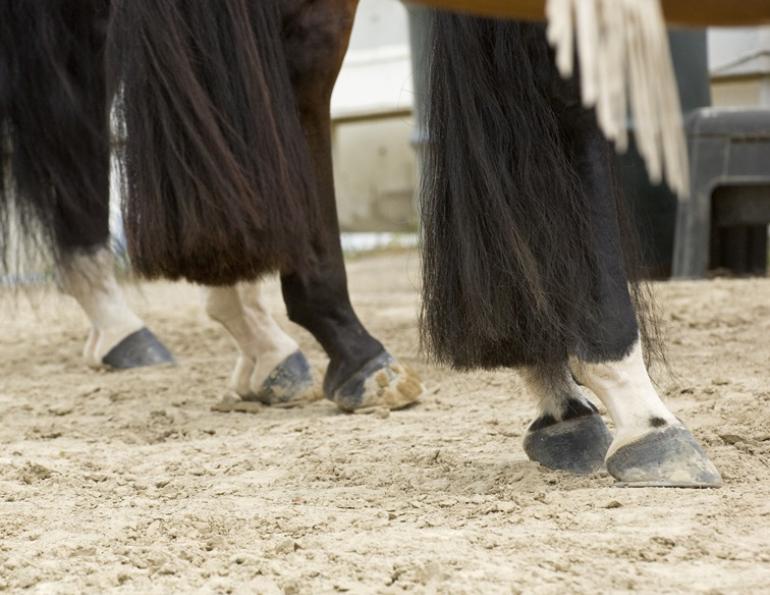
An essential part of the horse's natural anatomy, the serves multiple purposes. It helps the horse maintain balance, communicates emotions like fear or excitement, and is also used to swat flies or ward off other pests. In the show ring, a well-groomed, flowing tail can make a strong impression on judges and enhance the horse’s overall appearance.

town n' country tack, horse blanket, horse clipping, horse hair, horse coat, horse grooming, horses in cold

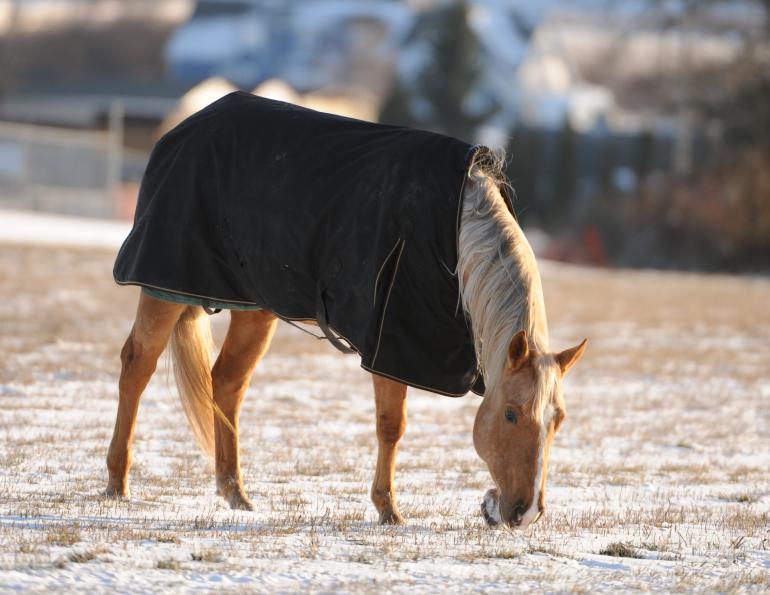
How do I determine the best winter blanket weight for my horse so he doesn’t get chilled or overheated? When choosing a winter blanket for your horse, a number of considerations can help you avoid under- or over-blanketing your horse, including climate, your horse’s hair coat, and his environment.

horse grooming, shiny coat horse, taking care of horse coat, how to comb a horse's tail, equine grooming, combing horse mane, how often bathe horse, corn starch horse

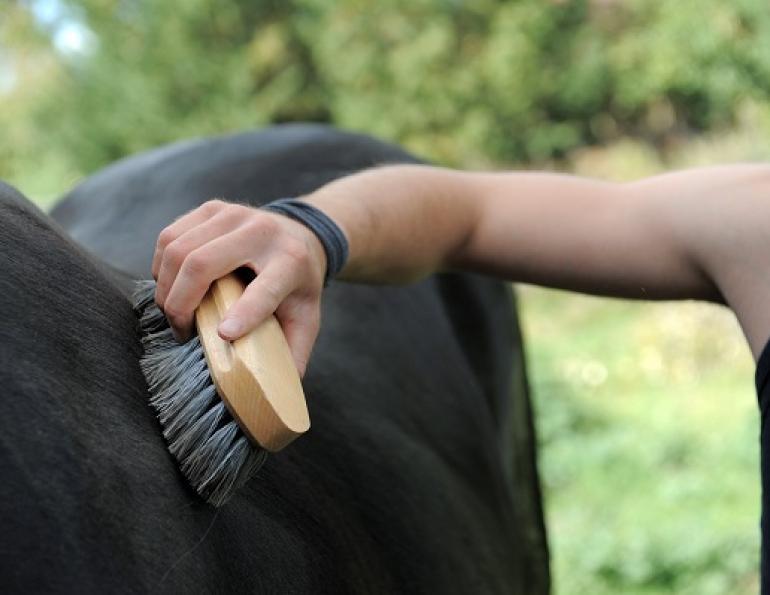
For horse people, nothing is more beautiful than a horse with a gleaming, dappled coat and a freely flowing mane and tail. Creating such a look is not impossible, but does require some effort. Following are nine tips for making your horse both eye-catching and the picture of health, all year round.

hay wisp, horse grooming, stain horse, equine grooming, horse coat, equine coat, horse shedding, curry comb, horse tail rubbing, thin horse tail, horse sheath

“My grey horse is so covered with manure stains he looks like a pinto... My horse’s tail rubbing habit has left him with almost no tail and a big bald patch at the base of the tail... My horse’s mane is getting too long but he won’t let me pull it.” These are just a few examples of the most popular grooming complaints grumbled about by horse owners with increasing frequency and frustration as show season looms closer and closer.

Pages