
Horsekeeping for Gut Health: Exploring the overlap between equine gut health and environment.

Updated:
September 18, 2025By Alexa Linton, Equine Sports Therapist
"The health of the gut is directly influenced by the state of the nervous and endocrine systems, our main barometers for stress."
When my newest addition to our small herd, Gwynna — a 40-inch, five-year-old Shetland-Mini cross — arrived last summer, she was overweight, sore, and dehydrated. I quickly discovered that gut health was an issue for her, namely impaction. After our first and thankfully the only emergency call, my vet explained that Miniature horses are prone to impaction colic. Combine this tendency with 30-degree Celsius heat and the stress of a new space, herd, and hay, and she was a prime candidate for problems.
My strategy for her management involved almost no medication and relied mainly on environmental changes. These included introducing a large grass-free track system, fine-tuning her supplementation, allowing 24/7 access to low-sugar tested varied hay in slow-feed nets (one inch and smaller), increasing her water consumption, adding various types of free salt, and promoting lots of movement through varied terrain and herd enrichment. I am a wee bit obsessed with equine environments - species-specific ones in particular - that mimic how horses live in the wild. I recently started building my fourth horse track system on our new property and just released an online course on Outside the Box Equine about how to create a track system, even in a wet climate, because I love how much movement, choice, and enrichment track systems create. Thankfully, Gwynna has had no impaction issues for the last eight months, has lost a healthy amount of weight, and is now running freely on gravel with no discomfort.
Related: Colic in Horses - Gut Health, Signs of Colic, and the Colic Risk Rater


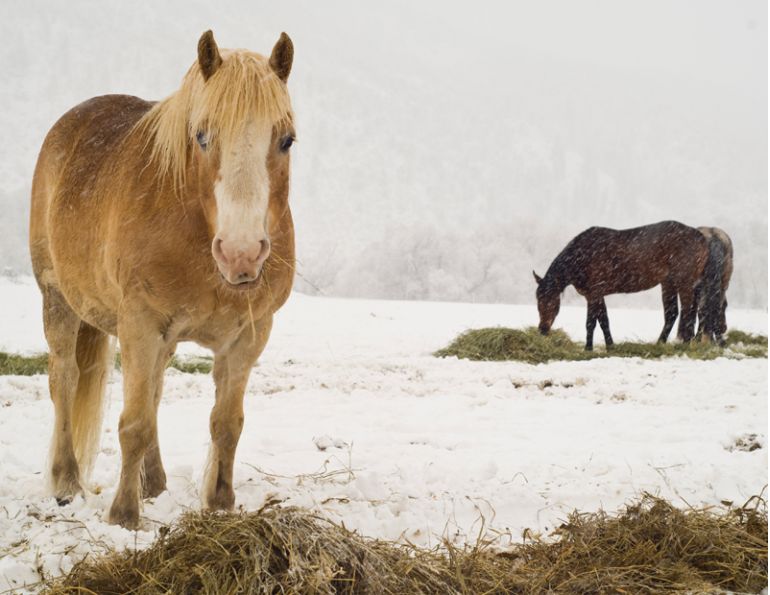
Two key management changes that contributed to Gwynna’s recovery were the implementation of a large, grass-free track system, encouraging constant movement, and the provision of continuous access to low-sugar hay via hay nets. Photos courtesy of Alexa Linton
Many horses are dealing with digestive issues and discomfort daily, whether from ulcers, fecal water syndrome, or impaction, and often their caretaker is unaware. What we might interpret as a behavioural issue, moodiness, or over-sensitivity to touch, grooming, saddling, or girthing can be the “canary in the coal mine,” warning us of an unhappy gut. The same can be true for inflammatory issues such as hives, arthritis, hoof issues like thrush, and metabolic disorders. The biggest cause is stress. Let me clarify that not all stress is harmful, but the harmful kind is often caused by factors in the environment, and how your horse with their unique nervous system relates to those factors.
Related: Rethinking Horse Paddocks: A Natural Setup Changes Everything
For my pony Gywnna, the main stressors I could discern were lots of change and transition (moving is a big deal!), a challenging past, physical discomfort, loss of function and poor circulation, lack of movement, excess sugars in feeds and grasses, and chronic dehydration. The main pillars of her rehabilitation were:
- Promoting more movement, using her hoof boots as necessary to reduce discomfort;
- Manual, cranial, and visceral therapy to address inflammation, dehydration, and congestion;
-
Access to free-choice, tested, and varied hay;
- As much water and fluids as she would consume;
- The right supplementation;
- A balanced herd.
Let’s look more specifically at how the horse’s environment affects their gut health. First, it is important to remember that the equine digestive system is set up very differently from ours, working optimally with small amounts of high-fibre, low-value forage over long periods (17-20 hours) of the day. When a horse is experiencing stress (such as lack of forage), their body chemistry and nervous system shifts. Horses, like humans, have a gut-brain axis, which is a bidirectional communication network between the brain and central nervous system and the enteric nervous system of the gut, involving anatomical, endocrine, and immune pathways, and influenced by the gut microbiome. In a nutshell, the health of the gut is directly influenced by the state of the nervous and endocrine systems, our main barometers for stress. The gut microbiome has gained more and more attention over recent years, and for good reason. It is now understood that the microbiome, the unique makeup of bacteria, fungi, viruses, parasites, and other gut flora, has a protective immune function as well as a key role in digestion, and is very impacted by stress-related hormones like cortisol and neurotransmitters like epinephrine. In fact, distress signals sent to the gut by various pathways can cause a heightened inflammatory response throughout the body and have been shown to increase the numbers of pathogenic bacteria, leading to gut issues.
Related: Understanding Equine Dietary Supplements
When addressing your horse’s environment in the context of supporting digestion, it’s important to think about the microbiome. Here are some common stressors/factors that weaken and disrupt the natural gut flora:
- Limited access to forage — studies show that the levels of cortisol hormone spike in horses that go more than four hours without forage.
- Access to only “loose” forage — slow-feed hay nets have been shown to mimic grazing by slowing intake and therefore supporting digestion, with many horses choosing to eat from nets over loose hay. Loose forage is often eaten rapidly with long wait times in between, leading to cortisol spikes.
- Rapid feed changes — it is most supportive to gradually introduce feed changes over a period of time to allow the flora to work with the change.
- Lack of diversity in the forage — many horses are fed a monocrop like timothy, but their microbiome requires multiple types of grasses, bark, plants, and more to thrive.
- Isolation — like humans, horses thrive in community, and being unable to touch or interact with other horses can cause chronic stress.
- Lack of movement — it is common for a horse to have a small paddock or stall where they are unable to move adequately, resulting in poor lymphatic function, reduced circulation and diaphragm movement, and increased levels of stress hormones.
- Transitions — changes such as moving barns, changing herd mates, shows, and new environments can be stressful.
- Lack of access to clean water — hydration is key in a healthy and functioning microbiome.
- Poor management practices — highly processed high-sugar feeds, sprayed feeds (forage and soaked feeds), over-use of dewormers (fecal tests are inexpensive and easy).
Prioritizing the horse’s microbiome — as well as healthy digestive, immune, brain, and endocrine function — means focusing on supportive environmental shifts. What kind of shifts are the most impactful? I always recommend regular manual therapy sessions, a consultation with an equine nutritionist, and the addition of movement in creative ways, such as hand walks for grazing and connection, additional hay net areas in the paddock, or moving resources like water and hay further apart from each other. Understanding that each horse and their specific living situation is unique, universally I have seen the most significant shifts from the introduction of the 3 Fs — Friends, Forage and Freedom — with a focus on increasing choice in these areas.
Related: What’s in That Feed Bag?

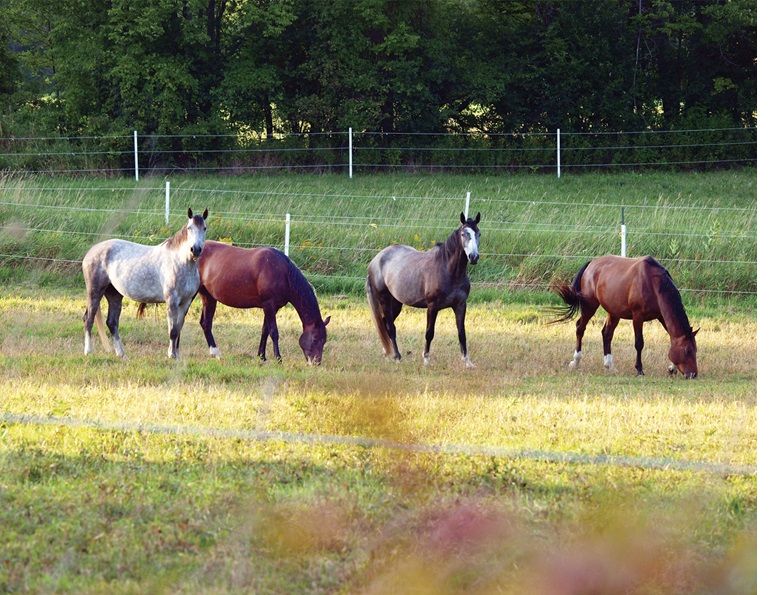
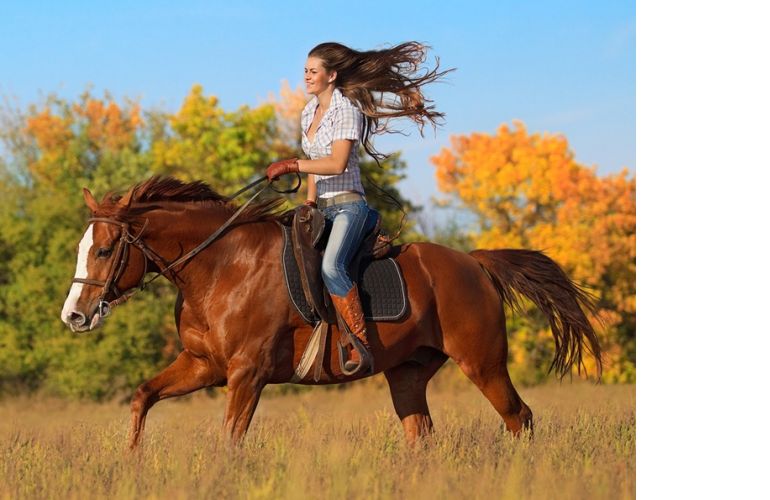
Although each horse and their living environment is unique, the most significant improvements are often seen with the implementation of the 3 Fs — Friends, Forage, and Freedom — especially when efforts are made to increase choice these areas. Photo: AdobeStock/Kimberleygnificant shifts from the introduction of the 3 Fs — Friends, Forage and Freedom — with a focus on increasing choice in these areas.
Head to Outside the Box Equine for some simple and supportive changes to implement. If you are boarding your horse, this often necessitates more advocacy on your part and potentially a bigger change if the horse is not receiving what they need. Advocating for your horse and their digestive health can be challenging and uncomfortable in the short-term, but can lead to a longer and healthier life in the long-term, a happier partnership with you, reduced inflammation and pain, more energy, and more ability to focus.
Podcast: Homeopathy and Equine Gut Health
Related: Rethinking Horse Paddocks: A Natural Setup Changes Everything
Related: The Importance of Slowly Transitioning Your Horse to a New Forage Source
Main Photo: iStock/AcceptFoto

Blogs & Podcasts

Advertisement

Related Articles




Advertisement

Featured Stories



Advertisement